Trump's Scathing Vatican Critique Unleashes International Uproar
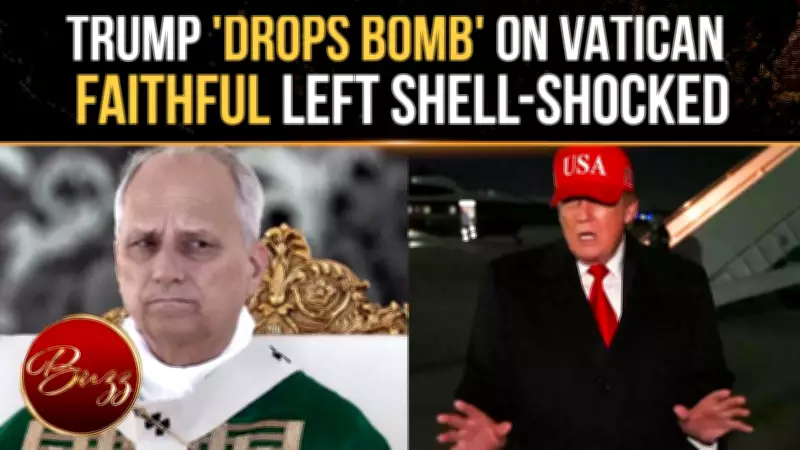
A severe diplomatic confrontation has erupted between the United States and the Holy See following unprecedented public criticism from President Donald Trump directed at Pope Leo XIV. The verbal assault, delivered via social media and press statements, has sent shockwaves through global political and religious communities, marking one of the most contentious moments in modern U.S.-Vatican relations.
Presidential Rebuke Targets Pontiff's Policies
President Trump launched his extraordinary attack through his Truth Social platform, where he posted a message that has since gone viral worldwide. "Pope Leo is WEAK on Crime, and terrible for Foreign Policy," the President declared in his characteristically blunt style. This direct challenge to the pontiff's leadership represents a significant escalation in rhetoric from the American administration toward the Vatican.
The President further complicated the diplomatic situation by making a surprising comparison between the current Pope and his brother. "I like his brother Louis much better than I like him, because Louis is all MAGA. He gets it, and Leo doesn't," Trump stated while addressing reporters. This personal commentary on the papal family has added an unprecedented layer of complexity to the already tense relationship between the two global power centers.

Global Reactions and Diplomatic Fallout
The presidential remarks have triggered immediate and widespread reactions across international diplomatic circles:
- European Union officials have expressed deep concern about the deterioration of U.S.-Vatican relations
- Religious leaders worldwide are grappling with the implications of such direct criticism from a sitting U.S. president
- Political analysts are examining how this clash might affect global Catholic communities and their relationship with American leadership
- Diplomatic channels between Washington and Vatican City are reportedly under significant strain
The timing of this controversy is particularly sensitive, coming amid broader international tensions that include ongoing conflicts in the Middle East and complex geopolitical negotiations. The Vatican has traditionally played a crucial role in global diplomacy, particularly in conflict resolution and humanitarian efforts, making this public rift especially consequential.
Broader Context of International Tensions
This diplomatic clash occurs against a backdrop of multiple international crises that have been testing global relations:
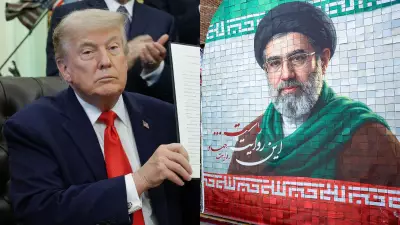
- The ongoing situation with Iran, where Trump has recently rejected further talks and asserted American dominance
- Continuing conflicts involving Hezbollah and Israel in the Middle East
- Complex negotiations around nuclear weapons and regional security
- Shifting alliances and diplomatic posturing across multiple global theaters
The President's criticism of Pope Leo XIV appears connected to broader foreign policy disagreements, particularly regarding approaches to international conflict resolution and global security frameworks. The Vatican's traditional emphasis on diplomacy and peaceful resolution contrasts with the more confrontational approach sometimes favored by the current U.S. administration.
As this diplomatic storm continues to develop, world leaders are closely monitoring how both the Vatican and the White House will navigate this unprecedented public disagreement. The long-term implications for U.S.-Vatican relations, global diplomacy, and international religious dynamics remain uncertain but are likely to be significant and far-reaching.