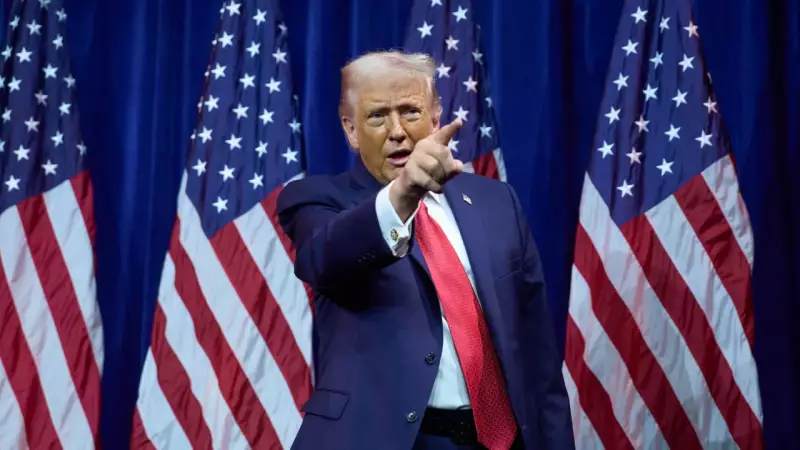
In a move that redefines America's role on the world stage, President Donald Trump has ordered a massive pullout from international cooperation. The administration has authorised the withdrawal of the United States from 66 international organisations, signalling one of the most dramatic retreats from multilateral engagement in recent history.
A Sweeping Overhaul of Global Commitments
This sweeping overhaul targets America's global footprint across the board. The list of exits includes all major climate-linked global bodies, marking a clear departure from environmental diplomacy. Notably, the withdrawal extends to the UN Framework Convention on Climate Change (UNFCCC), the parent treaty of the Paris Agreement, from which the US had already exited.
Surprise Exit from India-Led Solar Alliance
Perhaps the most surprising element for Indian observers is the decision to leave the International Solar Alliance (ISA). Headquartered in Gurugram, India, the ISA is a cornerstone initiative jointly launched by India and France to promote solar energy worldwide. While experts suggest the alliance's core mission will continue, the US exit is a diplomatic setback. The Trump administration had given no prior indication of this step following its earlier withdrawal from the Paris climate accord.

Implications and Global Reaction
This unprecedented step is being viewed as a significant blow to the post-World War II framework of international cooperation. The consequences are far-reaching:
- Climate Leadership Vacuum: The US exit from key climate bodies creates a leadership void, potentially slowing global efforts to combat climate change.
- Diplomatic Strain: The move, especially regarding the ISA, may introduce new complexities in international partnerships and bilateral relations.
- Shift in Global Order: This retreat empowers other nations, including China and the European Union, to shape the future of global governance on trade, environment, and security.
The decision underscores the Trump administration's "America First" philosophy, prioritising unilateral action over collaborative, multilateral solutions. It leaves allies and partners recalibrating their strategies in a world where the traditional anchor of the Western alliance is stepping back from its institutional commitments.