

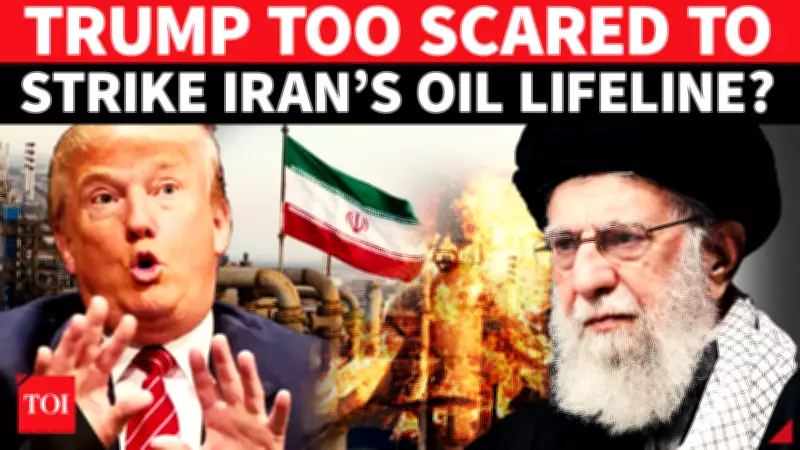
U.S. Officials Express Concern Over Iranian Retaliation in Oil Tanker Seizure Plans
Senior officials within the United States government have reportedly engaged in high-level discussions regarding the potential seizure of tankers transporting Iranian oil. This strategy is being considered as a significant pressure tactic against Tehran during the ongoing and delicate nuclear negotiations.
Heightened Tensions in the Persian Gulf
The deliberations occur against a backdrop of escalating regional tensions. This follows recent incidents where Iranian forces seized two foreign-crewed oil tankers in the strategically vital Persian Gulf. Iran cited alleged fuel smuggling as the justification for these actions, further complicating the diplomatic landscape.
According to a report from the Wall Street Journal, while the option of maritime intervention is being analyzed, U.S. officials harbor deep-seated apprehensions. Their primary concerns center on two critical areas:

- Potential for Iranian Retaliation: Officials fear that any aggressive move to seize Iranian oil assets could provoke a swift and severe military or asymmetric response from Tehran, potentially escalating into a broader conflict.
- Risk to Global Oil Markets: There is significant anxiety that such actions could severely disrupt the flow of oil through key international shipping lanes, leading to volatility and price spikes in the global energy market.
Diplomacy Remains the Stated Preference
Despite these contingency plans, the official stance from Washington emphasizes a preference for diplomatic resolution. The administration has reiterated that President Donald Trump favors dialogue and negotiation to address the nuclear impasse with Iran.
However, officials have made it clear that multiple options remain under active consideration should the current round of talks ultimately fail. These options are described as having potentially far-reaching consequences and span several domains:
- Economic Measures: Intensified sanctions and financial pressure campaigns.
- Military Options: Various defensive and offensive postures to secure maritime interests.
- Maritime Actions: Direct intervention, including the seizure of vessels, to enforce sanctions and curb Iranian oil exports.
The situation remains fluid, with U.S. policymakers carefully weighing the strategic benefits of increased pressure against the substantial risks of provoking retaliation and causing economic instability. The outcome of the nuclear negotiations will likely be the decisive factor in determining which path the United States ultimately chooses to follow.






