

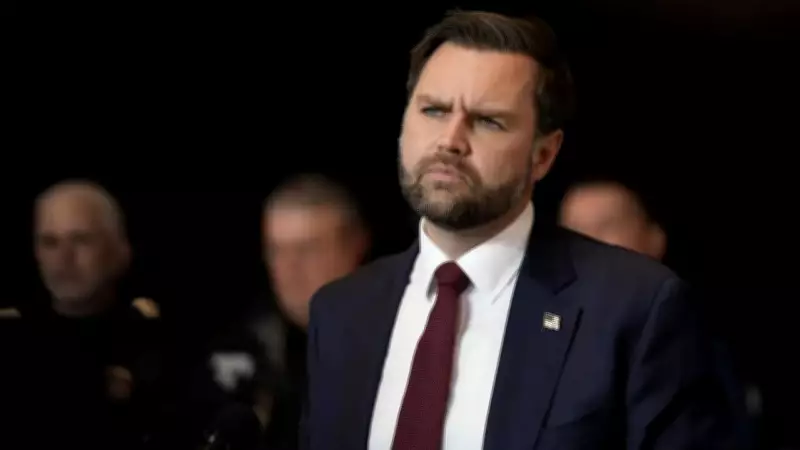
The United States and Iran have commenced high-level peace negotiations in Switzerland, with Vice President JD Vance heading the American delegation and Iranian Parliament Speaker Mohammad Bagher Ghalibaf leading Tehran's team. The talks are based on a 14-point memorandum of understanding signed earlier this week, which established a 60-day ceasefire and a framework for technical discussions on Iran's nuclear program.
Key Mediators Pakistan and Qatar Join Talks
Pakistan and Qatar, which served as key mediators in securing the initial agreement, are participating in the negotiations. Pakistan's Prime Minister Shehbaz Sharif and Army Chief Field Marshal Asim Munir have arrived in Switzerland, with Islamabad pledging to "continue to support and advance the implementation of the understandings" between Iran and the United States, according to a statement from Pakistan's foreign ministry.
The talks come after the US lifted its blockade of Iran on Thursday, allowing oil tankers to resume movement through the Strait of Hormuz as the tentative agreement took effect. Shipping activity has begun to recover, with tankers carrying millions of barrels of crude crossing the strait, though experts warn the waterway is not yet fully operational and mine-clearance work is still required.

Iran's Supreme Leader Endorses Talks but Sets Conditions
Iranian Supreme Leader Ayatollah Mojtaba Khamenei has endorsed future direct negotiations with Washington, though he stressed that such talks would not mean Iran accepts the US position. "The face-to-face negotiations that will take place in the future will not mean accepting the enemy's opinion," he said in a statement carried by state media. Khamenei also claimed that President Donald Trump used "all kinds of leverage" out of desperation to secure the agreement, arguing it was driven by American urgency rather than Iranian pressure.
US special envoy Steve Witkoff told lawmakers in a private briefing that Iran would invite the International Atomic Energy Agency (IAEA) to inspect its nuclear facilities and help locate enriched uranium believed to be buried under rubble. A separate letter between Tehran and the UN nuclear watchdog outlines the inspection process.
Emergency Session on Israel-Hezbollah Conflict Added
An emergency session addressing the Israel-Hezbollah conflict has been added to the first day of peace talks, a diplomat attending the negotiations told CBS News on Saturday. The source said the issue will be the opening session when US and Iranian delegations begin negotiations. Neither Israel, Hezbollah, nor the Lebanese government are party to the talks.
The development comes after Israel attacked Lebanon on Saturday, hours after a ceasefire deal took effect, killing five people. Israeli National Security Minister Itamar Ben Gvir said "all of Lebanon must burn" after four Israeli soldiers were killed. Hezbollah accused Israel of seeking to "sabotage" the US-Iran agreement.
Democratic Lawmakers Criticize Deal
Democratic lawmakers have intensified their criticism of President Donald Trump's Iran deal. Congressman Johnny Olszewski of Maryland argued the agreement is "already falling apart" and wrote on X, "The dressed up ceasefire masquerading as a 'deal' is already falling apart. Americans deserve better." Other Democrats accused Republicans of cutting Medicare to fund the war.
Vice President JD Vance defended the agreement, arguing it would force Iran to change its behavior, and warned against undermining the deal as Israel voiced criticism. The framework was signed last week, and negotiators are now in a 60-day sprint to reach agreement on technical details that hold massive implications for the global economy and security.






