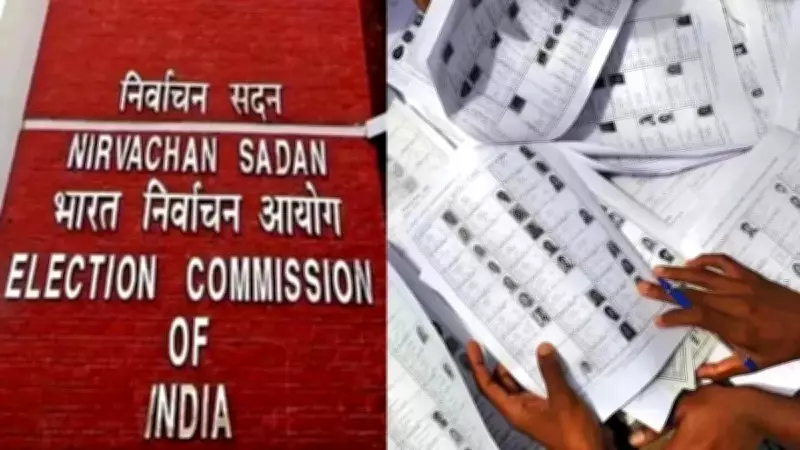
The Election Commission of India has introduced a new QR code-based voter verification system for the upcoming Delhi Assembly elections in 2026. The system, which began on June 29, 2026, aims to streamline the identification process at polling stations and reduce instances of impersonation.
How the QR Code Verification Works
Under the new system, each voter will receive a unique QR code printed on their voter ID card. At the polling booth, the QR code will be scanned using a dedicated mobile application, instantly verifying the voter's identity against the electoral roll. The system is designed to work offline, ensuring functionality even in areas with poor internet connectivity. According to Chief Electoral Officer of Delhi, R. K. Singh, "The QR code verification will eliminate manual errors and speed up the voting process, allowing each voter to cast their ballot within two minutes."
Key Dates for the Election Process
The Election Commission has released the schedule for the 2026 Delhi Assembly elections. The final voter list will be published on July 15, 2026. Nominations can be filed from July 20 to July 27, with scrutiny on July 28 and withdrawal deadline on July 30. Polling is set for August 10, and results will be declared on August 13. The entire election process will conclude by August 15.

Voter Registration and Updates
Voters can check their inclusion in the electoral roll and update their details online through the National Voters' Service Portal. The deadline for new registrations and corrections is July 10, 2026. The Commission has reported that over 1.5 crore voters are expected to participate in the elections, with 25,000 polling stations across 70 assembly constituencies.
Security Measures and Training
To ensure the integrity of the QR code system, the Commission has deployed additional security features, including encrypted codes and tamper-proof printing. Polling staff will undergo training sessions starting July 1 to handle the new technology. Singh added, "We have tested the system in previous by-elections and it performed flawlessly. We are confident it will handle the scale of the assembly elections."
Impact on Voter Turnout
The new system is expected to boost voter turnout, which in the 2020 Delhi elections stood at 62.2%. The Commission aims to increase this to 70% by reducing waiting times and simplifying the verification process. Additionally, the QR code system will enable real-time tracking of voter turnout, allowing the Commission to deploy resources more effectively.