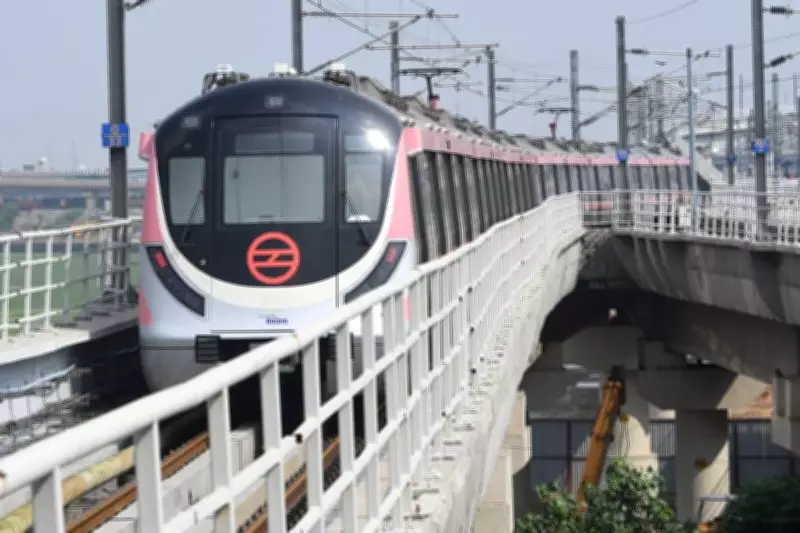
In a significant development for Delhi's urban transport network, the Central Secretariat metro station is poised to undergo a major transformation. According to recent reports, this key station will soon become the Delhi Metro Rail Corporation's second triple interchange facility, marking a pivotal upgrade in the city's public transit system.
Expanding Connectivity in the Heart of Delhi
The Central Secretariat station, currently a crucial junction on the Yellow and Violet Lines, will integrate with the upcoming Silver Line. This addition will create a seamless triple interchange, allowing passengers to switch between three different metro lines without exiting the station premises. The move is expected to drastically reduce travel time and improve the overall commuting experience for thousands of daily passengers.
Strategic Importance of the Upgrade
The decision to elevate Central Secretariat to a triple interchange status underscores its strategic location in Lutyens' Delhi. Situated near important government buildings, diplomatic enclaves, and commercial hubs, the station serves as a vital link for officials, tourists, and residents alike. The integration with the Silver Line, which will connect to areas like Tughlakabad and the Delhi Aerocity, is anticipated to further enhance its utility.

Currently, the Kashmere Gate station holds the distinction of being Delhi Metro's only triple interchange, connecting the Red, Yellow, and Violet Lines. The addition of Central Secretariat to this elite category will not only decentralize high-traffic interchange points but also alleviate congestion at existing hubs.
Boosting Commuter Convenience and Efficiency
This infrastructure upgrade is part of Delhi Metro's broader vision to create a more interconnected and efficient network. By enabling smooth transfers between multiple lines, the triple interchange will:
- Minimize walking distances and waiting times for passengers.
- Optimize route planning for commuters traveling across different parts of the city.
- Support the growing ridership demands as Delhi continues to expand.
Officials have emphasized that the project aligns with the government's focus on sustainable urban mobility. The enhanced connectivity is likely to encourage more people to opt for public transport, thereby reducing traffic congestion and pollution in the national capital.
Future Implications and Broader Impact
The transformation of Central Secretariat into a triple interchange is expected to have far-reaching effects on Delhi's transport landscape. It will not only facilitate easier access to key destinations but also spur economic activity in surrounding areas. Real estate analysts predict that property values near the station might see an uptick due to improved connectivity.
Moreover, this development sets a precedent for future metro expansions. As Delhi Metro continues to add new lines and stations, creating more triple interchanges could become a standard strategy to enhance network resilience and passenger satisfaction.
In conclusion, the upgrade of Central Secretariat station represents a forward-thinking step in urban planning. By becoming Delhi Metro's second triple interchange, it promises to redefine commuting convenience and strengthen the backbone of the city's public transport system.