Deadlock in Parliament Delays Crucial Anti-Paper Leak Legislation
The ongoing deadlock in Parliament has stalled the passage of the much-needed anti-paper leak bill, prompting calls for the Centre to consider an ordinance. With both Houses unable to function due to disruptions, critical reforms aimed at curbing the menace of question paper leaks remain in limbo. Experts and stakeholders argue that an ordinance could provide an immediate solution to protect the interests of millions of students.
Why an Ordinance is the Need of the Hour
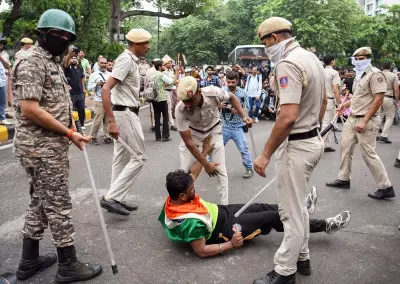
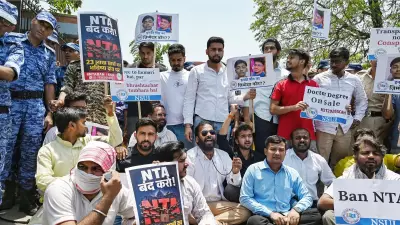
The proposed anti-paper leak bill seeks to establish stringent punishments for those involved in leaking examination papers, including up to 10 years of imprisonment and hefty fines. However, the parliamentary impasse has prevented its discussion and passage. In the past five years, over 70 major paper leak incidents have been reported across India, affecting exams like the NEET-UG, UGC NET, and various state board examinations. These leaks have caused widespread anxiety and unfairness among students.
Former education minister and senior politician, Dr. Ramesh Pokhriyal 'Nishank', stated, "If Parliament cannot function, it is the government's duty to explore constitutional options like an ordinance to ensure that the menace of paper leaks is tackled without delay. Students cannot wait indefinitely for justice."

Legal and Logistical Feasibility of an Ordinance
Under Article 123 of the Constitution, the President can promulgate an ordinance when both Houses of Parliament are not in session. Given that the current deadlock shows no signs of resolution, an ordinance could be a viable tool. However, it would need to be approved by Parliament within six weeks of reassembly. Legal experts suggest that the ordinance route is constitutionally sound and has been used in the past for urgent matters like the criminal laws amendment.
Advocate and constitutional expert, Mahesh Jethmalani, commented, "An ordinance is not a substitute for legislation but it is permissible when there is an urgent need. The repeated paper leaks have created a crisis of credibility in the examination system, warranting immediate action."
Impact on Students and Education System
The delay in enacting a strong anti-paper leak law continues to embolden criminal networks. Each fresh leak forces postponements, cancellations, and re-exams, causing immense stress and financial loss to students and families. For instance, the 2024 NEET-UG leak led to the cancellation of results in several states, affecting over 2 lakh candidates.
Student activist, Priya Sharma, said, "We are tired of this uncertainty. Strong laws are needed now, not after months of debate. The government must act fast and bring an ordinance if necessary."
Political Hurdles and the Way Forward
Opposition parties have accused the government of mishandling the situation, while the government blames the opposition for stalling proceedings. A middle path could involve bringing the anti-paper leak bill as a consensus agenda in a special session. Until then, an ordinance remains the only practical solution to break the impasse and restore faith in the examination process.
Political analyst, Dr. Sunil Kumar, opined, "Both sides need to prioritize national interest over political point-scoring. If the deadlock continues, the ordinance is the best option. However, it should ideally be followed by parliamentary debate and enactment."
Conclusion: Time for Decisive Action
The Centre must not let the parliamentary deadlock paralyze critical reforms. By bringing an anti-paper leak ordinance, it can send a strong message that exam integrity is non-negotiable. The move would also demonstrate the government's commitment to protecting students and ensuring a merit-based system. As the deadlock drags on, the call for an ordinance grows louder, and inaction may further damage India's educational credibility.