2023 Yamuna Floods Serve as Reference for Delhi's Monsoon Plan
As the monsoon season approaches, Delhi authorities are using the 2023 Yamuna floods as a benchmark for preparedness, as outlined in the Flood Control Order 2026. The order reviews critical vulnerabilities exposed during the deluge, including embankment failures, drainage deficiencies, and coordination gaps.
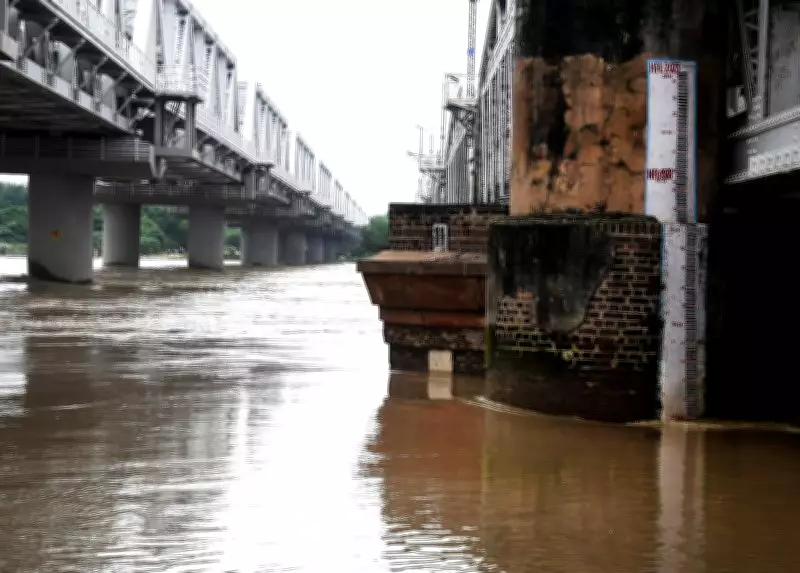
On July 13, 2023, the Yamuna River reached a record 208.66 metres at the Old Railway Bridge, surpassing the 1978 flood level. This surge inundated floodplain settlements and key urban areas, displacing large populations and damaging civic infrastructure.
Structural Vulnerabilities Identified
The Flood Control Order 2026 documents several structural failures during the crisis. Leakage and overtopping occurred at regulator gates in Metcalfe House, Tonga Stand, and Ali Drain. Embankment stretches failed or overflowed at Neeli Chhatri, Boat Club, DMRC store, Tibetan Colony, Monastery Market, Aarti Sthal, and parts of Najafgarh Drain. A breach at Drain No. 12 worsened flooding in adjacent zones.

Low-lying settlements in the floodplain, including Garhi Mandu, Usmanpur, Badarpur Khadar, Vishwakarma Colony (Jaitpur), and Dhobi Ghat jhuggis in Okhla, remained submerged for extended periods, requiring large-scale evacuations and highlighting the vulnerability of riverine habitation.
Infrastructure and Water Supply Disruptions
At Sonia Vihar, an embankment breach beneath key water pipelines allowed floodwaters to enter densely populated colonies such as Shri Ram Colony. Reverse flow and inundation disrupted water infrastructure near the Sonia Vihar Water Treatment Plant. The crisis forced the shutdown of three Delhi Jal Board water treatment plants after pumping stations were submerged, and tubewells in the Palla region became non-functional.
At the ITO Barrage, five of its 32 gates remained jammed due to heavy silt accumulation, restricting floodwater flow and worsening inundation across the ITO stretch, Ring Road, and neighbouring low-lying areas. Urban sanitation systems were severely impacted, with sewer backflow reported in multiple areas due to overwhelmed drainage networks and damaged infrastructure. In protected zones like Yamuna Bazar, water levels rose up to 8-10 feet, forcing emergency evacuations.
Drainage and Coordination Gaps
The order highlights drainage deficiencies in several NDMC and MCD areas, with inadequate stormwater drain outfalls causing waterlogging in Subramaniam Bharti Marg, Golf Links, Bharti Nagar, and Lodhi Colony. In some areas, sewer manholes were punctured to release excess stormwater, reflecting gaps in integrated drainage planning.
Operational challenges included limited inter-agency coordination, weak synchronisation with neighbouring states, traffic congestion hampering emergency movement during peak flooding, residents' reluctance to evacuate despite warnings, absence of structured cattle evacuation systems, and failure of dewatering pumps due to power disruptions at critical installations.
Preparedness Framework for 2026
The Flood Control Order 2026 incorporates these lessons into this year's preparedness framework. Emphasis is placed on strengthening embankments, upgrading stormwater drainage infrastructure, ensuring uninterrupted power supply to pumping stations, improving evacuation protocols, and enhancing real-time coordination among civic, irrigation, and disaster management agencies.