

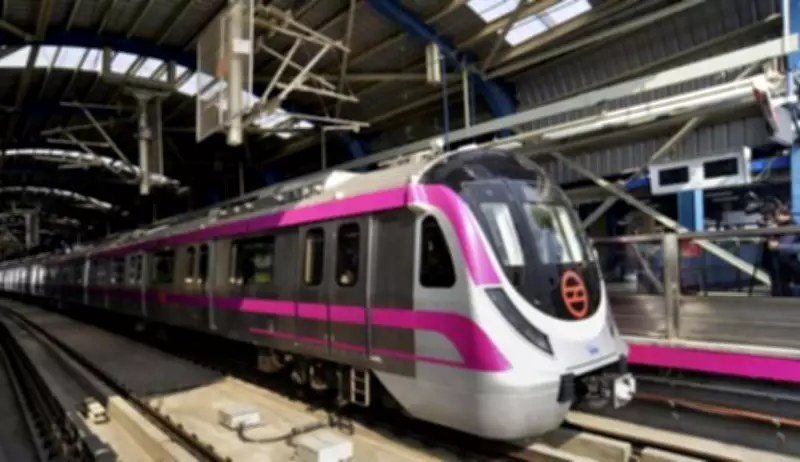
Delhi Metro Phase 5 Gets Green Light: Three New Corridors Approved
The Delhi government has given its official approval for Phase 5 of the Delhi Metro, marking a significant milestone in the city's public transportation development. This ambitious expansion plan involves the construction of three new metro corridors, with a total estimated investment of Rs 12,014 crore. The approval signals a major push to enhance urban mobility and address the growing transportation needs of Delhi's residents.
Key Details of the Approved Phase 5 Plan
The newly approved Phase 5 plan focuses on extending the metro network to improve connectivity across various parts of the capital. The three proposed corridors are designed to link key areas, thereby reducing travel time and easing traffic congestion on Delhi's roads. The project is expected to be completed by 2026, according to the latest updates from government sources.
Investment and Funding: The total cost of Rs 12,014 crore will be funded through a combination of central and state government contributions, along with possible loans from international financial institutions. This substantial investment underscores the government's commitment to upgrading Delhi's infrastructure and promoting sustainable urban development.

Route Details and Expected Benefits
While specific route maps are yet to be finalized and publicly disclosed, preliminary reports indicate that the new corridors will connect underserved regions with major commercial and residential hubs. The expansion is anticipated to benefit millions of daily commuters by providing a reliable and efficient alternative to private vehicles.
Enhanced Connectivity: The Phase 5 corridors are expected to integrate seamlessly with existing metro lines, creating a more comprehensive network. This integration will facilitate easier transfers and reduce overall journey times for passengers traveling across the city.
Impact on Traffic and Environment: By encouraging the use of public transport, the new metro corridors are projected to significantly decrease vehicular traffic on Delhi's congested streets. This reduction in traffic will not only improve air quality but also contribute to lower carbon emissions, aligning with broader environmental goals.
Implementation Timeline and Challenges
The project is slated for completion by 2026, with construction likely to commence in the coming months. However, the implementation may face challenges such as land acquisition, regulatory approvals, and potential delays due to unforeseen circumstances. Authorities have emphasized their dedication to adhering to the timeline while ensuring minimal disruption to daily life during construction.
- Economic Boost: The Phase 5 expansion is expected to generate numerous employment opportunities during the construction phase and beyond, providing a boost to the local economy.
- Urban Development: Improved metro connectivity often spurs real estate development and commercial growth in newly connected areas, leading to overall urban rejuvenation.
- Public Convenience: With more metro options, residents will enjoy greater accessibility to workplaces, educational institutions, and recreational facilities.
In conclusion, the approval of Delhi Metro Phase 5 represents a forward-looking step towards modernizing the city's transportation infrastructure. The addition of three new corridors, backed by a Rs 12,014 crore investment, promises to transform commuting experiences and support sustainable urban growth in the years to come.






