

Delhi's 82-km Yamuna Rapid Rail Corridor Nears Grand Inauguration After Major Engineering Feats
After years of meticulous construction and overcoming significant engineering challenges, Delhi's ambitious 82-km Yamuna rapid rail corridor is poised for a grand inauguration. This high-speed regional rail project represents a transformative leap in urban transport infrastructure for the National Capital Region (NCR), designed to drastically reduce travel times between key cities while incorporating cutting-edge sustainable technologies.
Engineering Marvels Along the Corridor
The corridor features several standout engineering accomplishments that have pushed the boundaries of infrastructure development in north India.
1.3-km Yamuna Bridge with 32 Pillars: A centerpiece of the project is the 1.3-kilometer-long bridge spanning the Yamuna River, supported by 32 massive pillars. These pillars have been specifically engineered to withstand the river's dynamic flow patterns and potential seismic forces, making this one of the most complex river crossings ever executed for a high-speed rail initiative in the region.

3,200-Tonne Steel Span Installation: Engineers successfully installed a gigantic 3,200-tonne steel span as part of the elevated section, showcasing remarkable heavy-lift capabilities. This operation required exhaustive planning and precise traffic management strategies due to its immense scale and the dense urban environment where it was positioned.
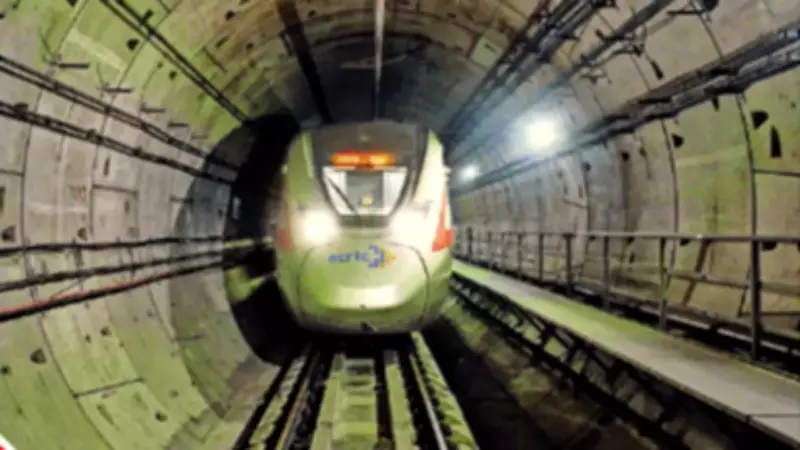
Advanced Tunnelling Near Dense Urban Zones: In congested areas such as Begumpul, specialized tunnel boring machines were deployed to minimize surface disruption and ensure the safety of nearby structures. This advanced tunnelling technology allowed for smooth underground alignment while protecting the urban fabric above.
Design and Construction Innovations
The project integrates numerous innovations aimed at enhancing efficiency, safety, and environmental sustainability.
Sustainable and High-Speed Design: The corridor has been engineered with energy-efficient systems, including regenerative braking and modern train sets. Elevated viaducts and underground sections were strategically planned to optimize speed, passenger comfort, and minimal environmental impact, balancing rapid transit needs with ecological considerations.
Massive Use of Precast Segments: More than 80,000 precast concrete segments were utilized in constructing the underground tunnels, particularly near Begumpul. These factory-made components ensured precision engineering, accelerated construction timelines, and provided enhanced structural strength, which is critical for seamless high-speed operations.
Impact and Readiness for Inauguration
Stretching across 82 kilometers, the rapid rail corridor is set to revolutionize intercity commuting within the NCR. It promises faster, safer, and more efficient travel with dedicated tracks and state-of-the-art signaling systems. After achieving multiple phased construction milestones, the full corridor is now complete and ready for its official inauguration. Government officials and infrastructure experts highlight that this project marks a significant advancement in India's regional connectivity, setting a new benchmark for urban transport development and demonstrating the country's growing prowess in executing large-scale, technologically advanced infrastructure initiatives.






