The Rise of Dharmendra Pradhan as Education Minister
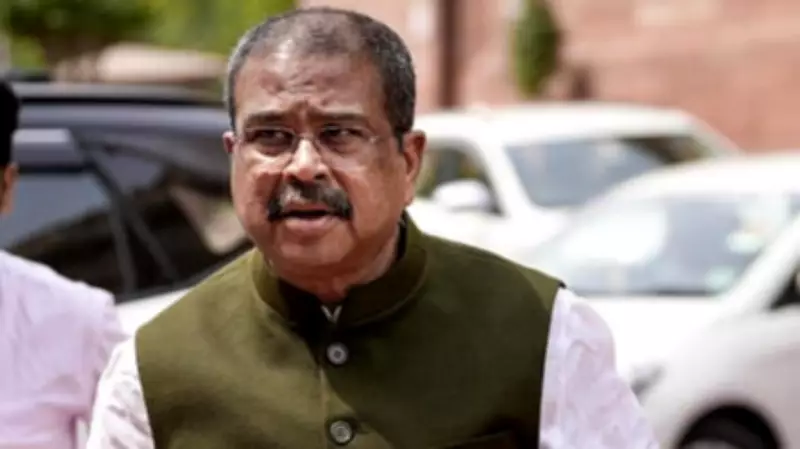
Dharmendra Pradhan was appointed as India's Education Minister in July 2021, taking over the portfolio that oversaw the implementation of the National Education Policy (NEP) 2020. The NEP, introduced under Prime Minister Narendra Modi, aimed to overhaul the country's education system by promoting multidisciplinary learning, vocational training, and a flexible curriculum. Pradhan's tenure began with high expectations, as he was seen as the key figure to drive this ambitious reform.
Key Achievements During His Tenure
Under Pradhan's leadership, the government launched several initiatives aligned with the NEP. These included the introduction of the National Credit Framework (NCrF) for credit transfer between academic and vocational streams, the establishment of the National Digital University, and the rollout of the National Curriculum Framework for School Education (NCF-SE). He also pushed for the inclusion of regional languages in education and expanded the reach of the SWAYAM online learning platform. According to ministry data, over 1.5 crore students had accessed digital resources by 2025, reflecting the push towards digital education.
Controversies and Decline
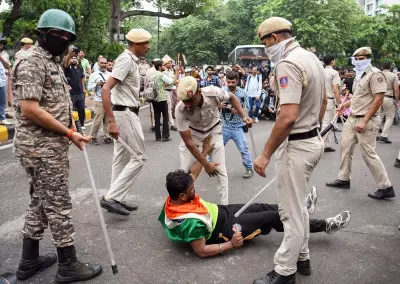
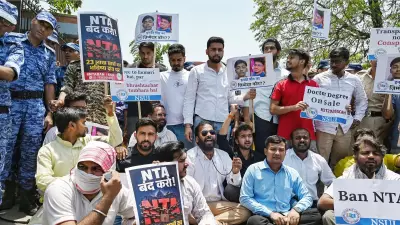
Despite these achievements, Pradhan's final years in office were overshadowed by repeated controversies. The most damaging were the frequent leaks of competitive examination question papers, including the NEET-UG medical entrance and the UGC-NET for university professors. In 2024, a major leak of the NEET-UG paper led to widespread protests and calls for his resignation. The Central Bureau of Investigation (CBI) arrested several individuals, but critics argued that the ministry failed to secure the examination process. Pradhan's handling of the situation drew sharp criticism from opposition parties and student groups.

Allegations of Saffronisation of Textbooks
Another contentious issue was the alleged saffronisation of school textbooks. In 2025, the National Council of Educational Research and Training (NCERT) revised textbooks for classes 3 to 12, removing sections on the Mughal Empire, the French Revolution, and evolution theory. Critics accused the government of pushing a Hindu nationalist agenda, while Pradhan defended the changes as an attempt to 'decolonise' the curriculum and highlight Indian contributions. The National Education Policy's emphasis on Indian knowledge systems, including Yoga and Ayurveda, was also seen by some as a move towards cultural nationalism.
Resignation and Aftermath
Pradhan resigned as Education Minister on 25 July 2026, following mounting pressure from the opposition and within his own party. The resignation came a day after a parliamentary committee released a damning report on the exam leak scandal, stating that 'gross negligence' by the ministry had compromised the integrity of the examination system. In his resignation letter, Pradhan took responsibility for the failures but maintained that his work on the NEP would have a lasting impact. He was succeeded by a junior minister, and the government announced a high-level review of examination security protocols.
Legacy and Assessment
Pradhan's tenure as Education Minister will be remembered as a period of significant reform mixed with serious governance failures. The NEP 2020 remains a landmark policy, but its implementation was marred by controversy. According to education experts, while Pradhan's vision was commendable, the execution suffered from a lack of transparency and accountability. The textbook changes and exam leaks eroded public trust in the ministry. As one analyst noted, 'Pradhan's rise was built on the promise of a modern education system, but his fall was due to an inability to manage the practical challenges that came with it.'