

Kharif sowing across India has fallen significantly behind last year's pace as the monsoon remains weak, according to data released by the Ministry of Agriculture. Not only rice but also pulses, oilseeds, coarse cereals, and cotton have recorded lower sowing compared to the previous year.
Rice Sowing Down by Over 10%
As of June 30, 2026, rice has been sown on 8.2 million hectares, compared to 9.1 million hectares during the same period last year — a decline of nearly 10%. The shortfall is most pronounced in states like Uttar Pradesh, Bihar, and West Bengal, where paddy transplantation is delayed due to insufficient rainfall.
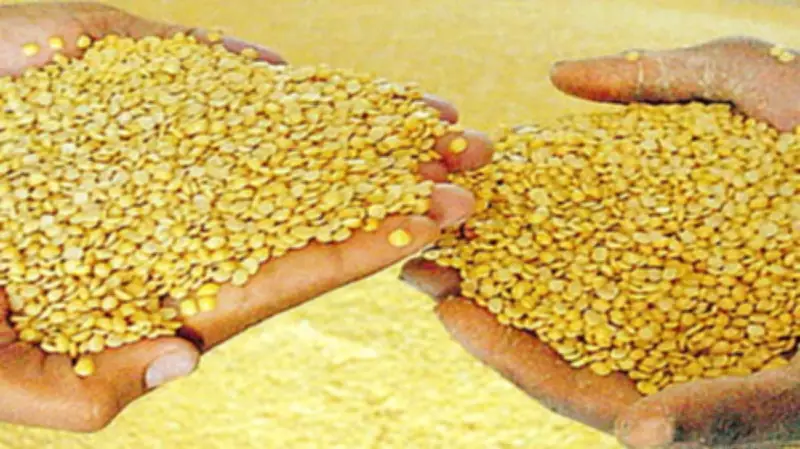
Pulses sowing has dropped to 2.5 million hectares from 3.1 million hectares in 2025, a fall of 19%. Tur (pigeon pea) and urad (black gram) are the worst affected, with acreage down by 25% and 18%, respectively.

Oilseeds and Coarse Cereals Also Hit
Oilseeds, including groundnut and soybean, have been sown on 6.8 million hectares, compared to 7.6 million hectares last year — a decline of 10.5%. Soybean, the key kharif oilseed, is down 12% in Madhya Pradesh and Maharashtra.
Coarse cereals, such as maize, bajra (pearl millet), and jowar (sorghum), have been planted on 4.2 million hectares, against 4.8 million hectares last year, a drop of 12.5%. Cotton sowing has also suffered, with acreage falling to 7.1 million hectares from 8.0 million hectares, a decline of 11%.
Weak Monsoon Blamed for Delay
The India Meteorological Department (IMD) reported that the monsoon has been 15% below normal so far in June, with several regions receiving deficit rainfall. The worst-hit areas include the northwest and central parts of the country, which are crucial for kharif crops.
“The delay in monsoon onset and its weak progress have led to a significant lag in sowing operations. Farmers are waiting for adequate soil moisture before transplanting paddy and sowing other crops,” said an agriculture ministry official.
Concerns Over Food Production and Inflation
The lower sowing area raises concerns about food grain production and potential price rise. India's kharif output accounts for nearly half of the country's annual food grain production. A poor harvest could lead to higher inflation and impact rural incomes.
“If the monsoon does not pick up in the next two weeks, it will be difficult to recover the lost sowing area. This could affect both production and prices,” said a senior economist at the Indian Council for Agricultural Research.
The government has already taken steps to ensure availability of seeds and fertilizers, and has asked states to prepare contingency plans. However, timely rainfall remains critical for the next few weeks.






