Fuel Supply Uninterrupted Amid US-Iran Conflict
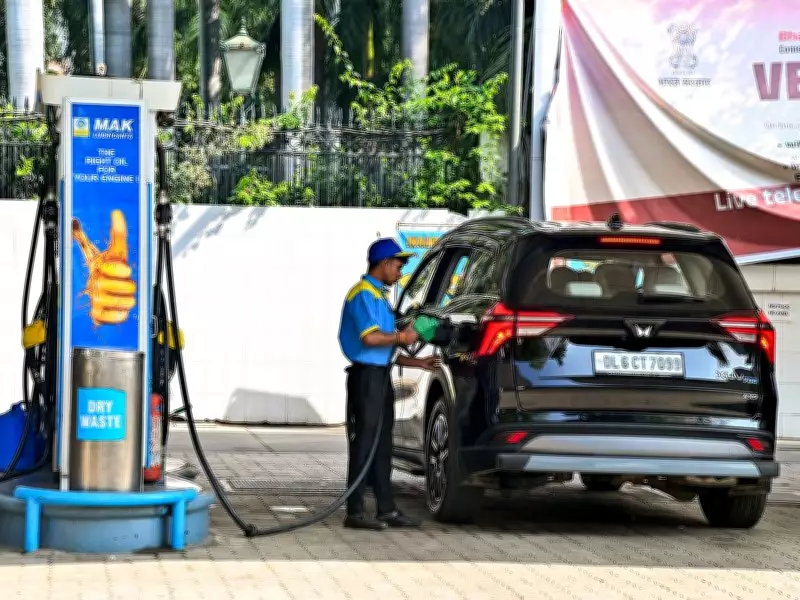
India successfully maintained fuel supplies throughout the nearly four-month US-Iran conflict, with not a single retail outlet running dry and every household receiving LPG cylinders, the Ministry of Petroleum and Natural Gas announced on Monday. This was achieved through a multi-layered, consumer-first response that included control orders, increased domestic production, excise duty reductions, supply diversification, energy diplomacy, and demand management.
Strait of Hormuz Blockade Impact
Iran closed the Strait of Hormuz, through which nearly 20 percent of global oil passes. India imports about 90 percent of its crude oil and 60 percent of its LPG, and Gulf routes carrying these supplies were disrupted for almost four months. In response, India launched a swift diplomatic effort involving institutional mechanisms, ministerial-level engagement, and on-ground channels to secure safe passage for energy vessels. India was among the few countries to secure the release of stranded vessels without paying tolls or transit levies.
Diplomatic and Procurement Measures
Beyond institutional mechanisms, India maintained constant engagement with Iran and Gulf partners at multiple government levels, reinforcing the legitimacy and urgency of its interests. Indian ambassadors and embassies in the Gulf region established direct communication channels with local authorities to pursue vessel clearance and safe passage in real time. Additionally, India signed a landmark LPG procurement agreement with the United States, securing 10 percent of import volumes from North America, and coordinated long-term LPG deals with Russia, Canada, and Japan targeting their strategic petroleum reserves.

Excise Duty Cut Buffers Fuel Prices
To shield consumers from price shocks, the central government cut excise duty on petrol and diesel by Rs 10 per litre on March 27, 2026. The special additional excise duty on petrol was reduced from Rs 13 to Rs 3 per litre, and on diesel from Rs 10 per litre to nil. This measure involved a revenue sacrifice of approximately Rs 1.7 lakh crore, ensuring that the burden of global price volatility was not passed on to consumers.