The Short Service Commission: A System of Brief Engagement and Prolonged Disregard
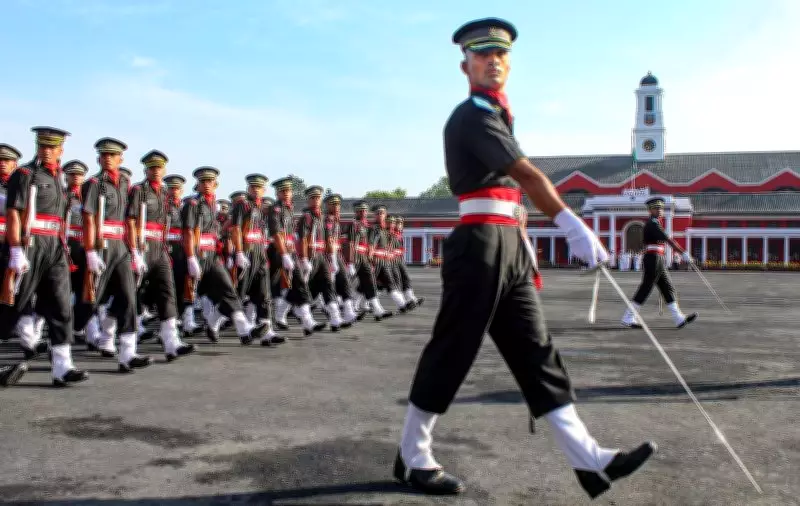
The Short Service Commission (SSC) scheme in the Indian armed forces, designed to induct officers for a limited period of 10 years, presents a paradox of short-term service coupled with long-term neglect. While it serves as a vital entry point for young aspirants into the Army, Navy, and Air Force, the aftermath of this brief tenure often leaves officers grappling with career uncertainty and insufficient support systems.
A Decade of Service, A Lifetime of Challenges
Under the SSC, officers are commissioned for a period of 10 years, which can be extended by an additional four years. This structure aims to maintain a youthful and dynamic officer cadre. However, upon completion of their service, many officers find themselves at a crossroads, with limited opportunities for permanent commission or seamless transition into civilian life. The lack of robust post-service career guidance and placement programs exacerbates their plight, turning what should be a proud chapter into a source of anxiety.
Systemic Neglect and Inadequate Support Mechanisms
The core issue lies in the systemic neglect faced by SSC officers. Unlike their permanently commissioned counterparts, SSC officers often receive inadequate training for civilian roles, minimal financial planning assistance, and insufficient healthcare benefits post-retirement. This oversight not only affects the individuals but also undermines the morale of serving personnel, who may perceive their future as precarious.

- Career Transition: Limited access to job fairs, skill development programs, and networking opportunities tailored for ex-SSC officers.
- Financial Security: Inadequate pension schemes and retirement benefits compared to permanent commission officers, leading to economic instability.
- Healthcare: Restricted post-service medical facilities, impacting long-term well-being.
- Psychological Impact: The stress of uncertain futures can contribute to mental health issues among serving and retired SSC officers.
Government Initiatives and Persistent Gaps
While the government has introduced measures such as the option for permanent commission in select branches and improved pension schemes, these efforts often fall short. The implementation is inconsistent, and many SSC officers report bureaucratic hurdles in availing benefits. For instance, the extension of permanent commission to women SSC officers in the Army and Air Force marks progress, but similar opportunities remain limited for male officers and in other service branches.
Moreover, the absence of a comprehensive policy framework to address the holistic needs of SSC officers—spanning career, health, and social integration—perpetuates the cycle of neglect. This not only deters potential candidates from joining the forces but also risks eroding the trust of those currently serving.
Moving Forward: Recommendations for Reform
To address these challenges, a multi-faceted approach is essential. Proposed reforms include:
- Enhancing post-service career support through dedicated placement cells and partnerships with private sector companies.
- Revising pension and benefit structures to ensure financial parity and security for SSC officers.
- Expanding permanent commission opportunities across all branches and genders, based on merit and service performance.
- Implementing mandatory pre-retirement counseling and skill development programs to ease the transition to civilian life.
- Strengthening healthcare provisions to cover long-term medical needs post-service.
In conclusion, the Short Service Commission, while a cornerstone of India's military recruitment, requires urgent reforms to transform it from a system of brief service and long neglect into one that honors the contributions of its officers throughout their lives. By prioritizing the welfare and future of SSC personnel, the armed forces can bolster morale, attract talent, and uphold the dignity of those who serve the nation.