

Solar-Powered Taps Bring Clean Water to Former Maoist Village in Bastar
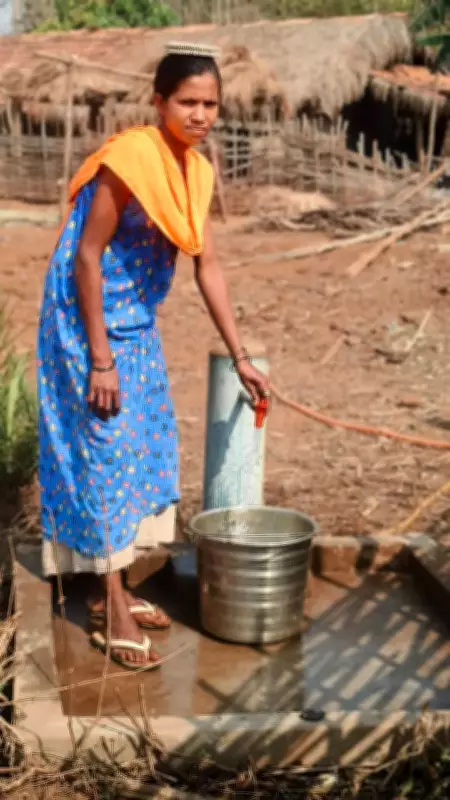
Deep within the dense Abujhmarh forests of Bastar, a new sound echoes through the village of Nelangur: the gentle flow of water hitting steel utensils. This simple, everyday noise marks a profound change for residents who have long endured silence, scarcity, and fear. For the first time, clear drinking water is available directly from taps inside homes, transforming daily life in this once Maoist-shadowed community.
From Scarcity to Abundance: A Village Transformed
Until recently, Nelangur, nestled near the Maharashtra border, was defined by its isolation. Located 52 kilometers from the "highly sensitive" district headquarters across rugged terrain, even basic services struggled to reach this remote area. Women would trek miles each day to fetch water, navigating forest paths that were once fraught with risk from insurgent activity. Today, that arduous daily grind has been replaced by the simple act of turning on a tap.
Narayanpur collector Namrata Jain explained that a comprehensive water supply system has been established in the village under the central government's Jal Jeevan Mission. Water is lifted from its source using a solar-powered pump and supplied directly to homes through an extensive pipeline network. This innovative approach has significantly reduced dependence on unreliable electricity grids and ensured a steady, sustainable water supply for all residents.

Broader Transformation in Bastar Post-Insurgency
This change is part of a larger transformation sweeping across Bastar following the decline of Left-Wing Extremism. Collector Jain noted, "Nelangur was among the areas where delivering basic services was once a major challenge. Now, we are seeing the results of consistent efforts to bring these villages into the developmental mainstream." The improved access to clean water has also led to better hygiene practices, representing a quiet but significant advancement in public health for the community.
The transformation of Nelangur is a key chapter in a larger story unfolding across Abujhmarh, which was once a Maoist stronghold with minimal governance presence. A turning point came last year with the establishment of a joint security camp by the Indo-Tibetan Border Police (ITBP) and state police. This was followed by enhanced connectivity, including a bus service linking the village to Narayanpur under the 'Mukhyamantri Bus Seva' scheme.
Development Fills the Vacuum of Peace
With peace gradually returning to the region after decades of insurgency, development initiatives are now filling the vacuum. Roads, water supply systems, transport links, and other essential services are reaching places that once existed beyond the state's administrative map. In Nelangur, the tap is more than just a utility; it symbolizes the narrowing distance between the state and its most remote citizens, offering hope and tangible progress.
Key Developments in Nelangur:
- Implementation of a solar-powered water supply system under Jal Jeevan Mission.
- Reduction in women's daily burden of fetching water from distant sources.
- Improved hygiene and public health outcomes due to reliable clean water access.
- Enhanced security and connectivity following the decline of Maoist influence.
This story highlights how targeted infrastructure projects can bring profound social change, especially in regions recovering from conflict, by addressing fundamental needs like clean water.






