The Union government is set to introduce the Public Examinations (Prevention of Unfair Means) Amendment Bill, 2026 in Parliament on July 27, according to sources. The bill comes in the wake of the recent NEET paper leak controversy that disrupted the examination process and raised serious questions about the security of national-level exams.
Background and Need for the Bill
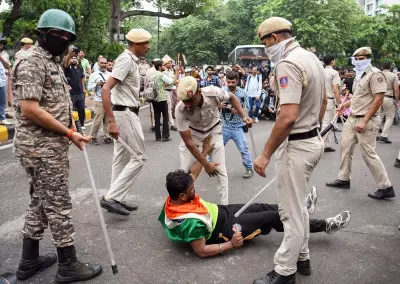
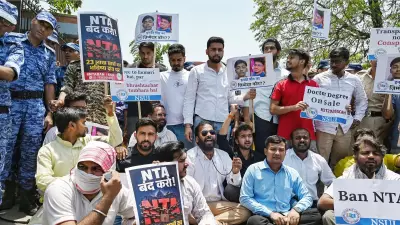
The NEET UG 2026 paper leak, which came to light in early July, involved the breach of question papers through a syndicate allegedly operating across multiple states. The incident forced the National Testing Agency (NTA) to cancel the exam in some centers and retest over 50,000 candidates. The government has since faced criticism over the handling of exam security.
According to Union Education Minister Dharmendra Pradhan, the bill is designed to plug loopholes in the existing Public Examinations (Prevention of Unfair Means) Act, 2024. "The new legislation will introduce stricter penalties for those involved in paper leaks and tampering with examination processes. We aim to restore the confidence of students and parents," Pradhan stated in a press briefing on July 24.

Key Provisions of the Bill
The amendment bill proposes a maximum punishment of 10 years imprisonment and a fine of up to Rs 1 crore for individuals found guilty of leaking question papers or compromising exam integrity. It also mandates the use of advanced cybersecurity measures, including blockchain-based encryption for question paper transportation and digital watermarking for answer sheets.
Additionally, the bill empowers investigating agencies to conduct raids without prior notice and seize electronic devices from suspects. A new central database of exam offenders will be created, and those convicted will be barred from appearing in any public examination for at least five years.
Impact on Students and Examination Bodies
Student organizations have welcomed the move but demand swift implementation. "The bill is a positive step, but the government must ensure that innocent students are not harassed. We need a balanced approach," said Rohan Gupta, president of the All India Students' Federation.
Examination bodies like the NTA and the Union Public Service Commission (UPSC) have been consulted during the drafting of the bill. They have expressed support for the proposed changes, citing the need for a robust legal framework to deter future breaches.
Political Reactions
The opposition parties have called for a thorough parliamentary debate, arguing that the bill should also address systemic issues such as the outsourcing of exam conduct to private agencies. Congress spokesperson Shama Mohamed said, "While we support efforts to prevent paper leaks, the bill must not be a rushed response. We demand a committee to study the root causes."
The government, however, is keen to pass the bill in the current session. Sources indicate that the bill may be referred to a parliamentary standing committee for further scrutiny before its final passage.
Timeline and Implementation
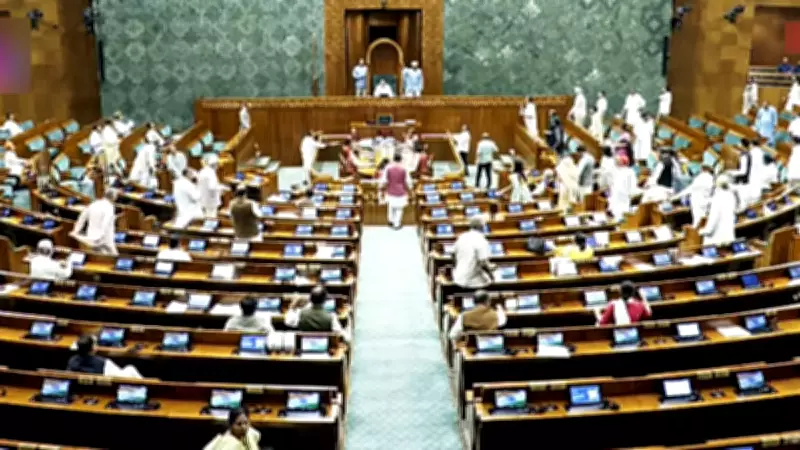
The bill is scheduled to be tabled in the Lok Sabha on July 27, with discussions likely to continue for two days. If passed, the legislation will come into effect from the next examination cycle, starting with the JEE Main 2027. The NTA has already begun training its staff on the new security protocols.
The introduction of the bill marks a critical step in the government's efforts to uphold the credibility of public examinations, which are a gateway to education and employment for millions of Indian students.