

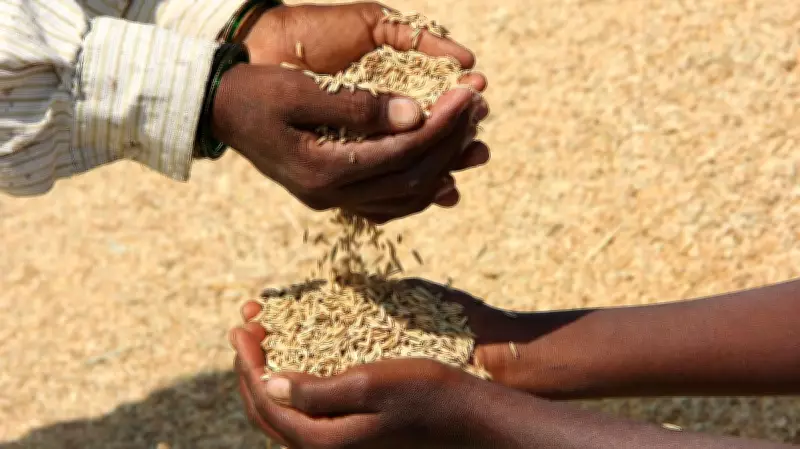
The Indian government has proposed a significant revamp of the Antyodaya Anna Yojana (AAY) to extend greater benefits to larger poor families. If the amendment receives approval, eligible beneficiaries under the scheme will receive 7 kilograms of foodgrains per person each month, subject to a maximum cap of 35 kilograms per household, as reported by Ajith Athrady on June 26, 2026.
Key Changes in the Proposed Amendment
The proposed revision marks a shift from the current allocation structure, which provides a fixed quantity per household regardless of family size. Under the new framework, the per-person allocation aims to ensure that larger families receive proportionately more support. The household cap of 35 kg is designed to prevent excessive distribution while still addressing the needs of families with up to five members.
According to official sources, the modification is intended to better target food security for the most impoverished sections of society. The Antyodaya Anna Yojana, launched in 2000, currently provides subsidized foodgrains to the poorest of the poor, identified through Below Poverty Line (BPL) criteria.

Impact on Beneficiaries
The revamp is expected to benefit millions of families across India, particularly those with more than four members. For a family of five, the new allocation would amount to 35 kg per month at highly subsidized rates, significantly enhancing their food security. The government anticipates that the change will reduce undernutrition and improve living standards among AAY households.
A senior official from the Ministry of Consumer Affairs, Food and Public Distribution stated, “This proposal reflects our commitment to ensuring that no poor family is left behind. By linking allocation to family size, we are making the scheme more equitable and effective.”
Implementation and Next Steps
The amendment is currently under review and requires approval from the Cabinet before it can be implemented. If passed, the revised distribution will likely begin in the next fiscal year. The government has also indicated plans to streamline the beneficiary database to prevent duplication and ensure seamless delivery.
This move comes amid ongoing efforts to reform India’s public distribution system, which has faced criticism for inefficiencies and exclusion errors. The revamped AAY is seen as a step toward achieving the Sustainable Development Goal of zero hunger by 2030.






