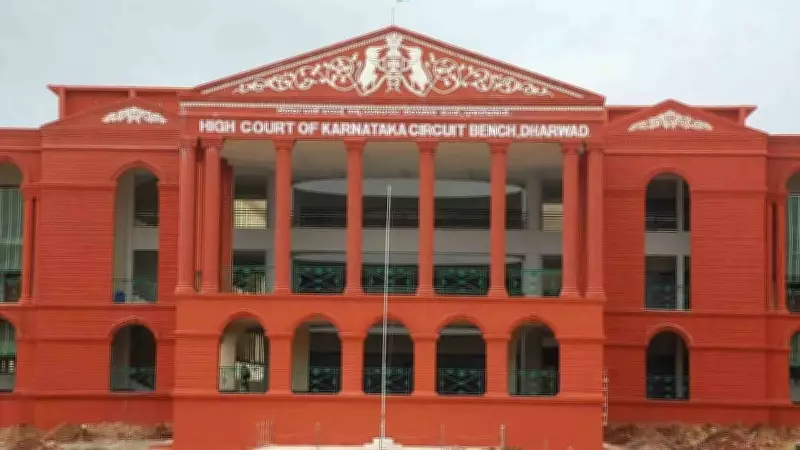
On August 1, all seven benches of the Karnataka High Court's Dharwad bench will be presided over by women judges, as per the roster notification issued by the court. This special sitting marks a historic moment for the judiciary in Karnataka, as it is the first time that every bench at the Dharwad seat will be headed by women judges.
Roster Notification Details
The roster notification, released by the Registrar General of the Karnataka High Court, specifies that all benches sitting at the Dharwad bench on that day will be composed of women judges. The notification outlines the allocation of cases to these benches, ensuring that all judicial work on August 1 is handled by women judges. According to the notification, the seven benches will cover a range of civil and criminal matters. The special arrangement is part of a broader initiative to promote gender diversity in the judiciary.
Significance of the Move
This development underscores the increasing representation of women in the higher judiciary. The Dharwad bench, established in 2008, has seen a gradual rise in the number of women judges over the years. Having all benches led by women on a single day is a powerful symbol of equality. Legal experts have praised the move as a step towards breaking gender barriers. "It sends a strong message that women are equally capable of handling complex legal matters," said a senior advocate who preferred to remain anonymous.

The Dharwad Bench
The Dharwad bench of the Karnataka High Court was established to bring justice closer to people in the northern parts of the state. It currently has a sanctioned strength of judges, with a significant proportion being women. The bench handles thousands of cases each year. The roster notification for August 1 is specially crafted to ensure continuity of justice while highlighting the role of women judges.
Future Implications
This event is expected to encourage more women to pursue careers in law and the judiciary. It also highlights the commitment of the Karnataka High Court to gender equality. Court officials noted that similar initiatives may be considered for other benches in the future.