A viral comedy clip that cost a Gurugram techie his job has triggered a quieter reckoning inside corporate India. Companies and institutions are beginning to ask how much authority they have over what employees and students do once they clock out.
The Incident That Sparked the Debate
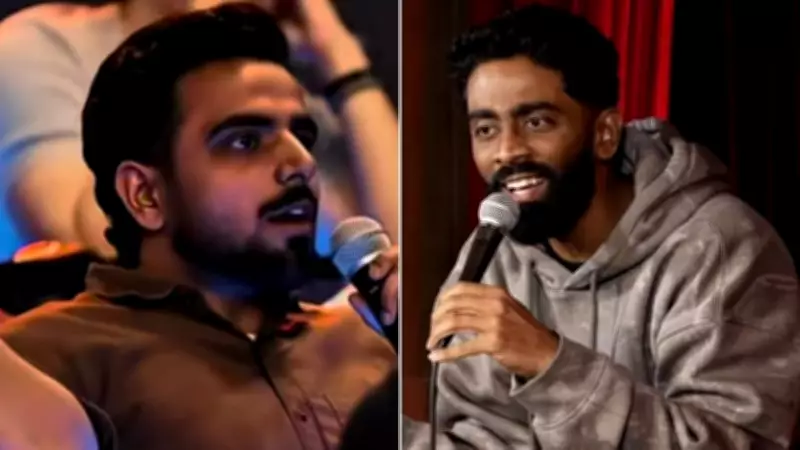
Himanshu Jangra, a 23-year-old web developer, was dismissed from Gurugram-based Starvik Design after a clip from comedian Pranit More's show went viral. Jangra had implied that spending Rs 370 on biryani on a date entitled him to something from the woman. Starvik founder Vivek Vishwakarma said the company conducted an internal review before parting ways with him, citing the effect on the workplace and the team. The Gurugram police later booked both Jangra and More under IT Act Section 67 and BNS provisions covering obscenity and harassment, acting on a National Commission for Women complaint. Both men have been summoned by the NCW on June 22.
HR Departments Grapple with New Challenges
We have started informally discussing whether our code of conduct needs a clause for exactly this kind of situation someone attending an event in a personal capacity, getting filmed, and the clip blowing up days later. Nothing is in writing yet, but it is now on the table, said an HR manager at a Cyber City-based startup, speaking on condition of anonymity citing the sensitivity of internal policy discussions. The unease is not confined to startups. A senior consultant at one of the Big Four firms, who did not wish to be named, said their team leader had verbally flagged the issue in recent days. It was not a formal memo, just a heads-up to be mindful of what we post or how we behave at public events the sense that we are being watched even outside work now.

Legal Grey Areas in Indian Employment Law
The episode lands in a grey zone of Indian employment practice. Most corporate codes of conduct in India still rely on broad, catch-all language such as conduct unbecoming or reputational harm to the organization rather than provisions written specifically for viral-content scenarios. That leaves termination decisions like Starvik's largely discretionary, with little precedent or regulatory guidance for either employers or employees to fall back on. HR consultants tracking the case say it may push more companies to formalize what was previously handled case-by-case.
Scrutiny Extends Beyond the Corporate World
The scrutiny has extended beyond the corporate world. A second clip from the same Pranit More show showed final-year MBBS student Sejal Pawar of Mumbai's KEM Hospital making derogatory remarks about male cadavers. KEM Hospital's dean, Dr Harish Pathak, called the remarks completely unacceptable and intolerable and placed her on 15-day forced leave, barring her from the hostel, hospital and college campus while a committee investigates. She has also been booked by Maharashtra Cyber Police, alongside More and Jangra.
Broader Pattern of Viral Content Fallout
Commentary on the episode has framed it as part of a broader pattern rather than an isolated case. One analyst describes it as a stream of incidents where companies are taking note of an employee's conduct after office hours, pointing to an earlier, similar clip involving comedian Madhur Virli as evidence the scrutiny is widening across the comedy circuit, not just this one show. With the NCW hearing set for June 22 and KEM Hospital's inquiry report due, the next fortnight is likely to clarify both the legal fallout and how far companies are willing to go in writing off-duty conduct into formal policy.