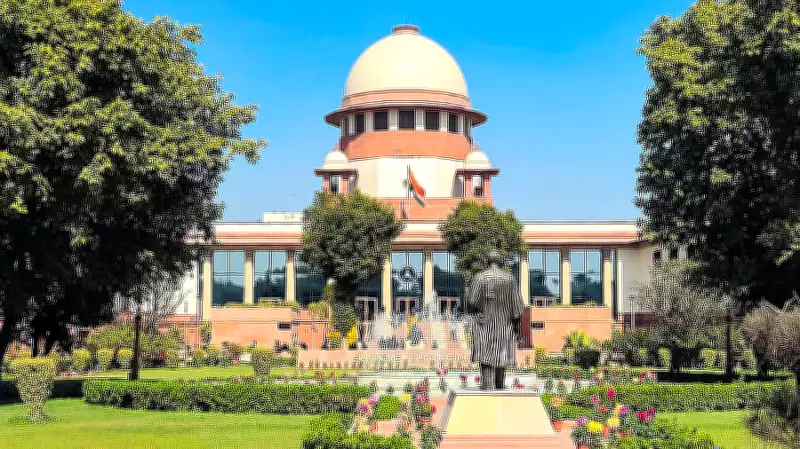
The Centre on Wednesday raised questions in the Supreme Court regarding the possibility of 2008 Mumbai terror attack convict Ajmal Kasab securing bail over trial delays. Additional Solicitor General S V Raju and advocate Rajat Nair presented the examples of Kasab and Lashkar-e-Taiba founder Hafiz Saeed before a bench led by Justice Aravind Kumar. They asked whether these individuals would have been granted bail under similar circumstances, highlighting the gravity of the crimes involved.
Arguments Presented Before the Bench
The Additional Solicitor General argued that the nature of the offenses committed by Kasab and Saeed was so severe that the question of bail due to trial delays should not arise. He emphasized that the legal system must balance individual rights with national security concerns. Advocate Rajat Nair supported this view, stating that granting bail in such cases could set a dangerous precedent.
Bench's Consideration
The bench, also comprising other judges, listened to the submissions and reserved its order. The case pertains to a broader issue of trial delays and their impact on the right to a speedy trial under Article 21 of the Constitution. The Centre's intervention aims to ensure that heinous crimes are not trivialized by procedural delays.

This development comes amid ongoing debates on judicial reforms to expedite trials in sensitive cases. The Supreme Court's decision is expected to have far-reaching implications for the interpretation of bail provisions in anti-terror laws.