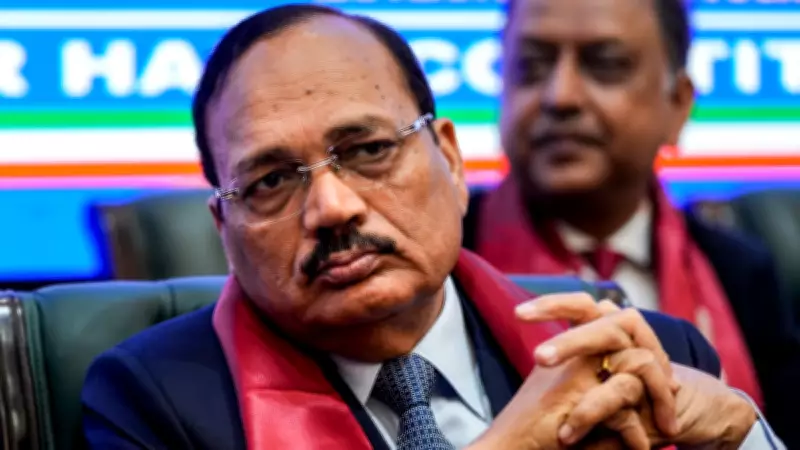
Chief Justice of India (CJI) D.Y. Chandrachud on Thursday strongly condemned what he termed as "reckless reporting" by certain media outlets regarding the police action against protesters from the Communist Justice Party (CJP). He clarified that no petition had been filed in the Supreme Court concerning the incident, contrary to what some news reports had suggested.
The CJI made these remarks during a hearing when a lawyer attempted to raise the issue. "There is no such petition before this court. The media must exercise restraint and not spread misinformation," he said. The court's observation came amid widespread coverage of the police action against CJP members during a protest in New Delhi last week.
Police Action and Media Hype
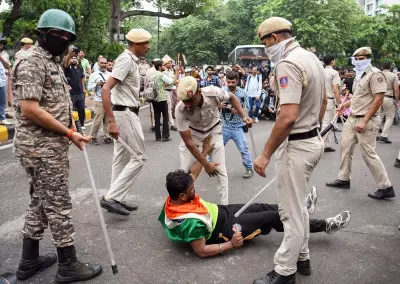
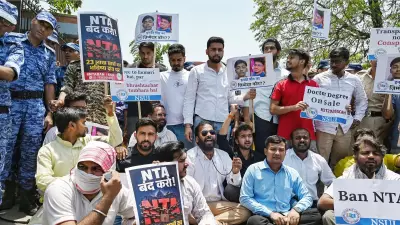
On July 20, Delhi Police used water cannons and batons to disperse a large gathering of CJP supporters who were protesting against the government's new agricultural policies. According to police estimates, over 300 protesters had assembled without prior permission. Several protesters were injured, and at least 50 were taken into custody for questioning. The incident quickly became a flashpoint, with multiple news channels alleging that the Supreme Court had been moved against the police action.

However, the CJI clarified that no such plea had been filed. "I have checked the records. There is no petition challenging the police action. It is unfortunate that the media is reporting otherwise," he stated. The CJI's comments were seen as a rare direct intervention to correct the public record.
Reaction from Legal Experts
Senior advocate and former law minister Ashwani Kumar welcomed the CJI's remarks. "The Supreme Court is the guardian of the Constitution, and it is essential that the media does not create a parallel narrative based on unverified facts. The CJI has rightly called out this trend," he said. Legal experts pointed out that such reporting can undermine public trust in the judiciary.
The Press Council of India also took note of the CJI's observations and issued a statement urging media houses to adhere to ethical standards. "Sensationalism at the cost of accuracy is unacceptable," the council said. Many journalists expressed concern that the incident could lead to stricter regulations on reporting court-related matters.
Background of the Protest
The CJP, a left-leaning political party, had called for a nationwide protest against the government's decision to allow private companies to procure agricultural produce directly from farmers. The party claims that this will lead to exploitation of small farmers. The Delhi protest on July 20 was one of several across the country. In a statement, CJP general secretary A. K. Roy said, "Our protest was peaceful. The police used excessive force without provocation." However, the police maintained that the crowd was unruly and refused to follow instructions.
The incident has reignited debates about the right to protest and police accountability. Human rights organizations have called for an independent inquiry into the police action. However, with the CJI clarifying that no petition has been filed, the legal avenue remains unexplored for now.
Need for Responsible Journalism
The CJI's criticism of the media highlights a growing friction between the judiciary and the press. In recent years, the Supreme Court has expressed displeasure over what it perceives as trial by media in several high-profile cases. The CJI emphasized that the media has a responsibility to verify facts before publishing. "Freedom of speech is not absolute. It comes with responsibilities," he said during the hearing.
Media analysts believe that the incident could lead to self-regulation by news outlets. "Many channels rushed to report without cross-checking with the Supreme Court registry. This is a wake-up call," said media professor R. R. Sharma. The editors' guild of India has announced a meeting to discuss reporting protocols.
As the dust settles, the CJP has announced that it will file a formal petition in the Supreme Court next week seeking judicial review of the police action. Whether the court will entertain it remains to be seen. For now, the CJI's clear stand on the absence of a plea serves as a reminder that not everything reported is true.

This episode underscores the delicate balance between a free press and the need for accurate reporting in a democracy. The CJI's intervention may prompt media outlets to exercise greater caution in covering sensitive legal matters.