

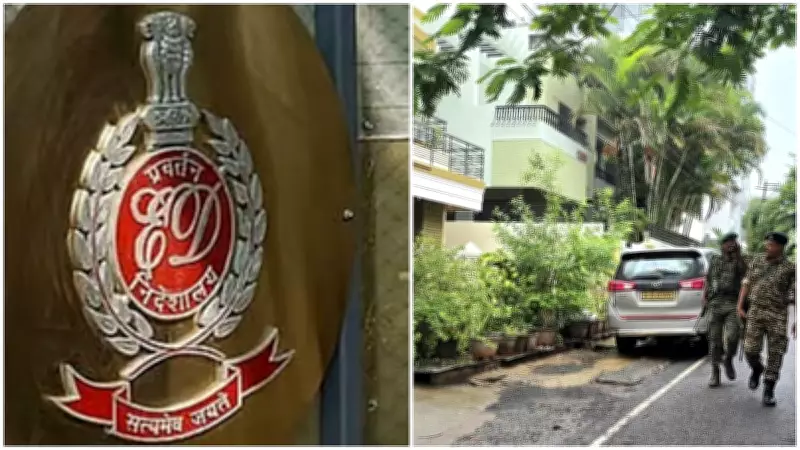
The Enforcement Directorate on Wednesday conducted searches at the premises of Y Manjunath, additional excise commissioner (Enforcement and Crime) in Belagavi, along with his alleged associates and other officials. The central agency described the Karnataka excise department as a commission-free money-laundering machine, indicating systemic corruption and illicit financial flows.
Raids Target Senior Excise Official
Searches were carried out at multiple locations linked to Manjunath and others suspected of involvement in money laundering. The ED's action follows ongoing investigations into irregularities within the excise department, which has been under scrutiny for allegedly generating unaccounted cash through illicit liquor trade and bribery.
According to sources, the raids were part of a broader probe into how the excise department functions without proper oversight, allowing illegal money to be laundered through its operations. The phrase "commission-free money-laundering machine" was used by the ED to highlight the absence of any intermediary fees in the illegal conversion of black money into white.

Systemic Corruption Alleged
The ED's statement suggests that the entire excise ecosystem—from licensing to enforcement—has been compromised. Officials are accused of facilitating illegal distillation, smuggling, and sale of liquor in exchange for bribes, with the proceeds being laundered through shell companies and real estate investments.
Y Manjunath, as additional excise commissioner for enforcement, was responsible for cracking down on illegal activities. Instead, the ED alleges he used his position to protect offenders and share in the profits. The raids recovered documents and digital evidence pointing to unexplained wealth and transactions.
Impact on Karnataka's Excise Policy
The revelations have sparked political debate in Karnataka, with opposition parties demanding a high-level inquiry. The state excise department generates significant revenue, but the ED's findings raise questions about how much of that revenue is legitimate. Previous audits had flagged discrepancies in excise collections, but this is the first time a central agency has directly accused the department of functioning as a money-laundering conduit.
The ED is expected to summon more officials for questioning and may file a prosecution complaint under the Prevention of Money Laundering Act. The case also puts pressure on the state government to reform excise administration and ensure transparency in licensing and enforcement.






