
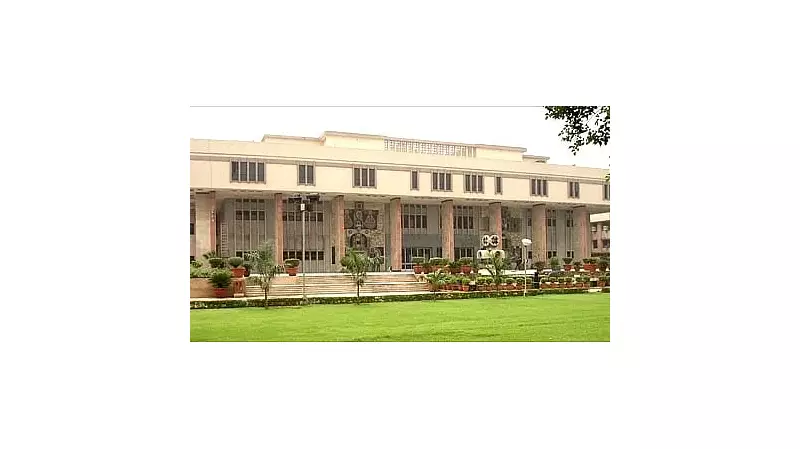
A Delhi court has taken a significant step in the long-running 2020 Delhi riots case by issuing formal release orders for four individuals who were recently granted bail by the Supreme Court of India. However, the proceedings were marked by the conspicuous absence of a fifth accused, who failed to appear before the court as required.
Court Executes Supreme Court Bail Order
On Wednesday, a sessions court in the national capital moved to implement the bail directive issued by the apex court just two days prior. The Supreme Court, on Monday, had granted bail to a total of five accused individuals connected to the widespread communal violence that engulfed parts of Northeast Delhi in February 2020. Following this top court order, the lower court processed the necessary paperwork, leading to the issuance of release orders for four of these men.
The four accused, whose identities are part of the court record, were able to complete the requisite legal formalities, including furnishing bail bonds. This procedural compliance paved the way for the court to sanction their release from judicial custody.
One Accused Fails to Appear, Complicates Process
The process, however, hit a snag concerning the fifth accused. Shadab Ahmad, who was among the group granted relief by the Supreme Court on Monday, January 5, 2026, did not present himself before the sessions court. His failure to appear meant he could not furnish his bail bonds, a mandatory step to secure physical release from detention.
This absence introduces a new layer of complexity to the case. While the Supreme Court's bail order stands, an accused must still comply with the procedural mandates of the trial court to actually gain freedom. Ahmad's next legal steps and the court's response to his non-appearance remain to be seen.
Legal Journey and Implications
The bail grants by the Supreme Court represent a crucial development in one of the most high-profile and legally complex cases in recent Indian history. The Delhi riots, which resulted in over 50 deaths and extensive property damage, led to a vast web of investigations and hundreds of arrests.
The apex court's decision to grant bail often involves considerations of prolonged incarceration without trial completion, the nature of evidence, and legal principles favoring liberty. The release of these four accused, following the court's order, underscores the ongoing judicial scrutiny of the cases stemming from the riots.
Legal experts point out that bail is not an acquittal. The trial against the accused will continue, and they will be required to adhere strictly to the conditions set by the courts, which typically include:
- Regular attendance at court hearings.
- No intimidation of witnesses or tampering with evidence.
- Surrender of passports and restrictions on travel.
- Mandatory reporting to local police as directed.
The non-appearance of Shadab Ahmad, even after a favorable Supreme Court order, is a rare occurrence that could prompt the trial court to seek explanations or take appropriate steps to ensure his presence. The focus now shifts to the continuation of the trial and whether all five accused will successfully reintegrate into the legal process from outside prison walls.