Haryana High Court Issues Stay Order on Mass Tree Felling
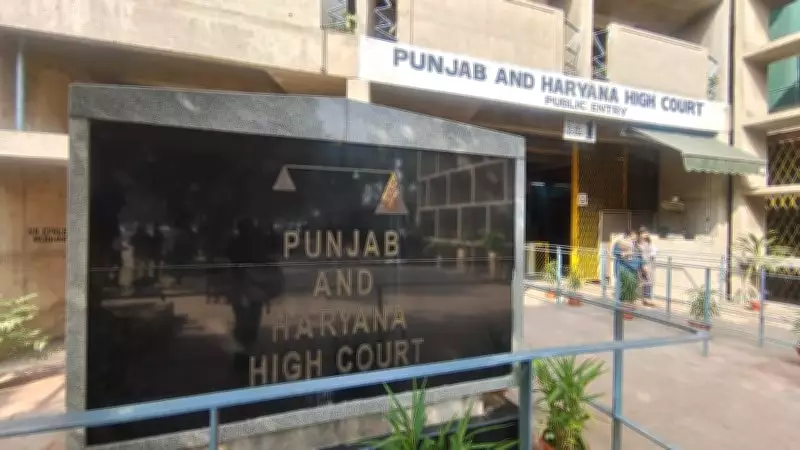
The Punjab and Haryana High Court has taken a decisive step to safeguard the environment by issuing a stay order on the felling of trees across the state of Haryana. This judicial intervention mandates that authorities must obtain prior permission before proceeding with any tree-cutting activities, effectively halting ongoing and planned operations that threaten the region's green cover.
Court's Directive for Environmental Protection
In a significant ruling, the High Court emphasized the critical importance of preserving trees for ecological balance and public health. The court stated that "no axe without ask" should be the guiding principle, meaning that tree felling cannot occur without proper authorization and justification. This directive applies to all government and private entities involved in development projects, infrastructure expansion, or land clearance activities that necessitate the removal of trees.
The court's order comes in response to concerns raised about unchecked deforestation in Haryana, which has been linked to issues such as air pollution, loss of biodiversity, and climate change impacts. By requiring prior permission, the judiciary aims to ensure that tree felling is conducted only when absolutely necessary and with adequate compensatory measures, such as afforestation or tree transplantation.

Implications for Development and Compliance
This ruling is expected to have far-reaching implications for various sectors in Haryana, including urban development, agriculture, and industrial expansion. Authorities will now need to submit detailed proposals outlining the reasons for tree removal, the number of trees affected, and plans for mitigation or replacement. The court has also directed the formation of a monitoring committee to oversee compliance and prevent illegal tree cutting.
Environmental activists and local communities have welcomed the decision, viewing it as a victory for conservation efforts. They argue that unchecked tree felling has led to a decline in green spaces, exacerbating problems like heat islands and water scarcity in the state. The court's intervention is seen as a necessary check on activities that prioritize short-term gains over long-term environmental sustainability.
Background and Legal Context
The High Court's order follows a series of petitions highlighting the rampant and often unauthorized felling of trees in Haryana. Reports indicate that thousands of trees have been cut down in recent years for projects such as road widening, real estate development, and agricultural conversion, often without proper environmental clearances or public consultation.
Under Indian law, tree protection is governed by various statutes, including the Forest (Conservation) Act, 1980, and state-specific regulations. However, enforcement has been lax in many cases, leading to ecological degradation. The court's ruling reinforces the legal framework by making prior permission a mandatory step, thereby increasing accountability and transparency in tree management.
Moving forward, stakeholders in Haryana will need to adapt to this new regulatory environment, balancing development needs with environmental stewardship. The court has scheduled follow-up hearings to review compliance and assess the impact of its order on preserving the state's green heritage.