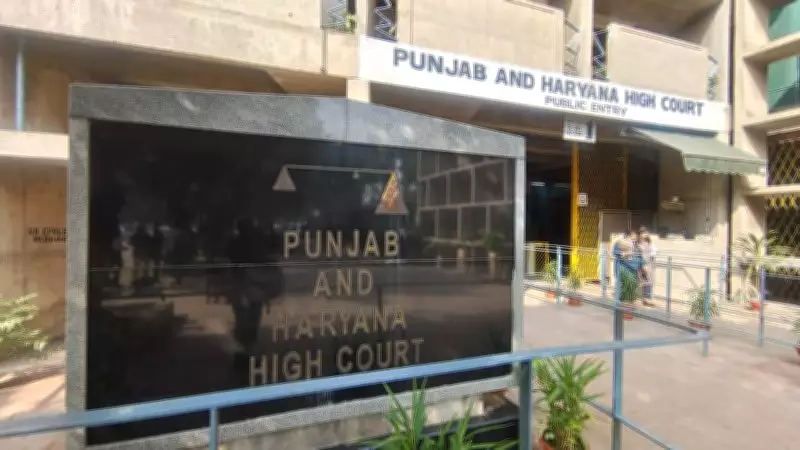
Haryana High Court Reinstates Engineer, Clarifies Absence Does Not Equal Defiance
In a significant ruling that clarifies the boundaries of disciplinary action in government service, the Punjab and Haryana High Court has reinstated a mechanical engineer in Haryana, overturning his dismissal. The court held that the employee's absence from duty did not amount to defiance or misconduct, thereby setting a precedent for similar cases in the state's administrative framework.
Case Background and Court Proceedings
The case involved a mechanical engineer employed by the Haryana government who faced disciplinary action, including dismissal, after being absent from his duties. The authorities argued that his absence constituted defiance and warranted severe penalties under service rules. However, the engineer challenged this decision in the High Court, contending that his absence was due to personal circumstances and did not reflect any intentional disregard for his responsibilities.
During the hearings, the court examined the evidence and service records in detail. It noted that while the engineer was indeed absent, there was no proof of willful disobedience or malicious intent. The judgment emphasized that absence alone, without evidence of defiance or repeated negligence, should not be grounds for harsh disciplinary measures such as termination.

Key Rulings and Implications
The High Court's ruling included several critical points that reinforce employee rights in government service:
- Reinstatement Order: The court directed the Haryana government to reinstate the mechanical engineer to his former position with immediate effect, nullifying the disciplinary action taken against him.
- Back Wages Awarded: In addition to reinstatement, the engineer was granted back wages for the period he was out of service, ensuring financial restitution for the wrongful dismissal.
- Legal Clarification: The judgment clarified that absence from duty must be evaluated on a case-by-case basis. It stated that unless there is clear evidence of defiance or habitual negligence, such absences should not lead to punitive actions like dismissal, which can have severe career and personal impacts.
This decision is expected to influence future disciplinary cases in Haryana and potentially other states, as it underscores the importance of proportionality and fairness in administrative actions. Legal experts suggest that it may prompt government departments to review their service rules and ensure they align with judicial standards of reasonableness.
Broader Context and Reactions
The ruling comes amid ongoing discussions about employee rights and administrative accountability in India's public sector. In Haryana, where government jobs are highly sought after, this case highlights the need for transparent and just disciplinary processes. Stakeholders, including employee unions and legal advocates, have welcomed the judgment, viewing it as a step toward protecting workers from arbitrary actions.
However, some administrative officials have expressed concerns about potential challenges in enforcing discipline if absences are not strictly penalized. The court addressed this by noting that while discipline is essential, it must be balanced with fairness, and each case should consider the specific circumstances rather than applying blanket penalties.
In summary, the Punjab and Haryana High Court's decision to reinstate the mechanical engineer serves as a reminder of the judicial oversight in service matters. By ruling that absence is not inherently defiance, the court has reinforced principles of natural justice and due process, which are crucial for maintaining trust in public administration. This case is likely to be cited in similar disputes, promoting a more nuanced approach to disciplinary actions in government employment across India.