

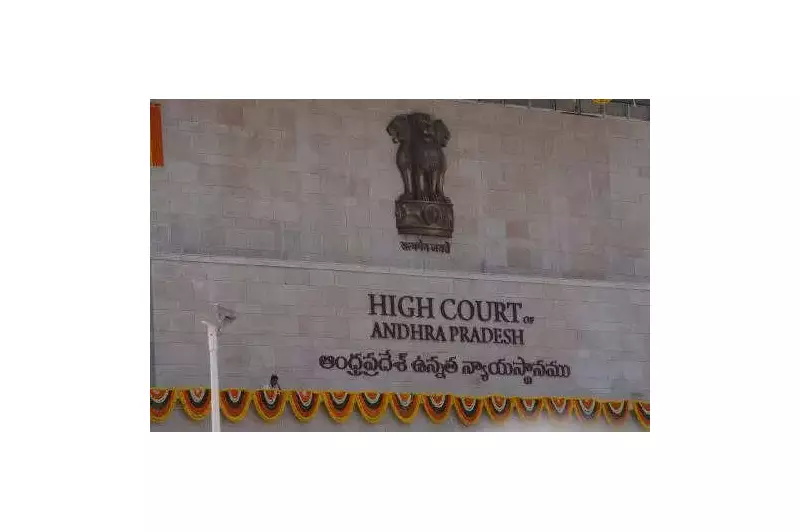
In a significant ruling aimed at providing justice to hundreds of transport corporation employees, the Andhra Pradesh High Court has issued a clear directive to the state government. The court has ordered the authorities to actively consider the long-pending representations of APSRTC staff who were retired on medical grounds, by either offering them suitable alternative employment or ensuring they receive enhanced monetary compensation.
Court Disposes of Petitions, Highlights Systemic Failure
Justice N Vijay of the Andhra Pradesh High Court recently disposed of a batch of six writ petitions filed by former drivers and conductors of the Andhra Pradesh State Road Transport Corporation (APSRTC). These employees had challenged their forced retirement, labeling it as arbitrary and a direct violation of the Rights of Persons with Disabilities Act, 2016.
The core argument presented by the petitioners was stark. They stated that after being declared medically unfit for duty, they were left in a lurch. The corporation, and later the state government following the merger of APSRTC, failed to provide them with alternative jobs as required by law. Furthermore, they argued that the compensation offered to them was grossly inadequate for their situation.

Scale of the Issue: 682 Pending Claims, Only 28 Resolved
The court proceedings brought to light the alarming scale of this unresolved humanitarian and administrative issue. During the hearing, it was revealed that a total of 682 such claims from medically retired APSRTC employees are currently pending with the state government.
Out of this large number, the government's actions have been minimal. The court noted that only 28 employees have been provided with alternative jobs so far. A staggering 503 cases remain unresolved and pending for a decision, highlighting a significant backlog and administrative delay.
Initially, the state government's stance was that no specific policy existed for these employees post the APSRTC merger, as they were now absorbed into state service. However, following the court's scrutiny, the government presented an alternative plan.
Court Sets Strict Deadlines for Government Action
The government revived an earlier policy framework and issued a Government Order (GO) proposing monetary compensation for the affected employees. However, the court observed a critical flaw in this GO: it lacked clear timelines for the disposal of the employees' representations.
To prevent further indefinite delay, Justice N Vijay imposed strict deadlines on the state government. The court has now directed the authorities to take a final decision on all pending representations within eight weeks from the date of the order.
Furthermore, for those who are to be provided monetary compensation, the court has ordered that the compensation must be disbursed within three months after the government's decision. This timeline ensures that the relief, once approved, reaches the employees without unnecessary procedural delays.
This judgment is seen as a major victory for the rights of employees with disabilities in the public sector. It reinforces the legal obligation of employers, especially the state, to protect workers who become unfit for their original posts due to medical reasons, ensuring their livelihood is secured through rehabilitation or fair compensation.






