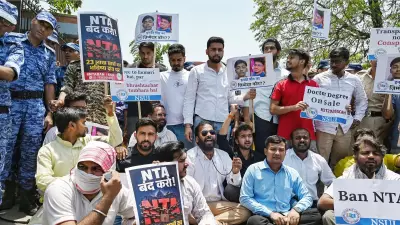
Thousands of protesters gathered at Delhi's Jantar Mantar on Saturday, alleging that authorities deployed AI-based surveillance to monitor their demonstration against the NEET paper leak. The protest, part of a wider outcry over the alleged leak of the National Eligibility cum Entrance Test (NEET) question papers, saw demonstrators claiming that facial recognition cameras and other artificial intelligence tools were used to track their movements, raising serious privacy concerns. Separately, the Delhi Police are analyzing thousands of videos, CCTV clips, social media livestreams, and mobile records to identify those involved in the July 20 violence that erupted during previous protests.
Background of the NEET Paper Leak
The NEET paper leak, which came to light in early July, has sparked widespread outrage among students and parents. The leak allegedly compromised the integrity of the medical entrance exam, affecting thousands of aspirants across the country. Protests have been ongoing, with demonstrators demanding a thorough investigation and strict action against those responsible. The Jantar Mantar gathering on Saturday was one of the largest, drawing participants from various states.
Allegations of AI Surveillance
During the protest, several attendees reported seeing cameras equipped with AI capabilities mounted on poles and drones overhead. According to a report by DHNS, the protesters allege that these systems were used to identify and track individuals, potentially intimidating them. Privacy advocates have raised alarms, stating that such surveillance violates fundamental rights. The use of AI in public demonstrations has been a controversial topic in India, with activists calling for regulations to prevent misuse.

The protesters claim that the AI surveillance included real-time analysis of social media posts and facial recognition to match identities with known activists. While the government has not confirmed the use of such technology, sources suggest that law enforcement agencies have been experimenting with AI tools for crowd management. The Delhi Police have not issued an official statement on the allegations.
Police Investigation into July 20 Violence
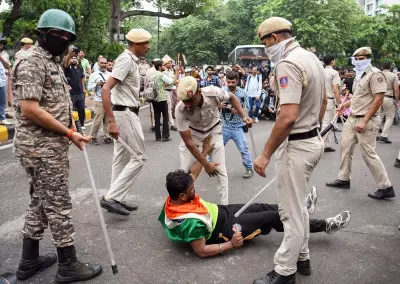
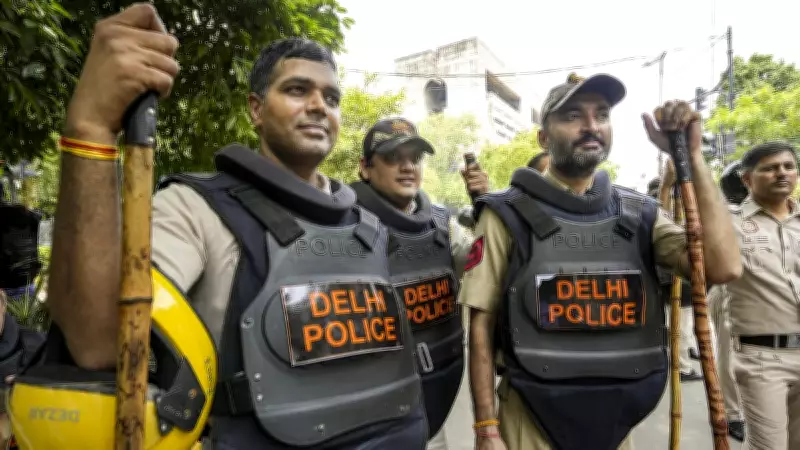
In a parallel development, the Delhi Police are intensifying their investigation into the violence that broke out on July 20 during a similar protest. The authorities are combing through an extensive trove of evidence, including thousands of hours of video footage from CCTV cameras, social media livestreams, and mobile phone records. According to police sources, the aim is to identify and apprehend the individuals who instigated the clashes that led to property damage and injuries.
The analysis involves advanced forensic techniques and coordination with social media platforms to trace the origin of inciting content. The police have formed multiple teams to review the footage, which is expected to take several weeks. They are also appealing to the public to share any relevant videos or information that could assist in the investigation.
Reactions and Implications
The dual focus on AI surveillance and the July 20 violence has heightened tensions among protest groups. Student leaders have expressed concern that the police investigation might be used to suppress dissent rather than ensure accountability for the paper leak. Meanwhile, the government maintains that both actions are necessary to uphold law and order and to protect the integrity of the examination system.
The NEET paper leak case has already led to arrests of several suspects, but the protests continue as students demand a CBI inquiry. The allegations of AI surveillance add a new dimension to the debate over digital privacy and state power. As the investigations proceed, all eyes are on the Delhi Police's findings and the government's response to the growing unrest.