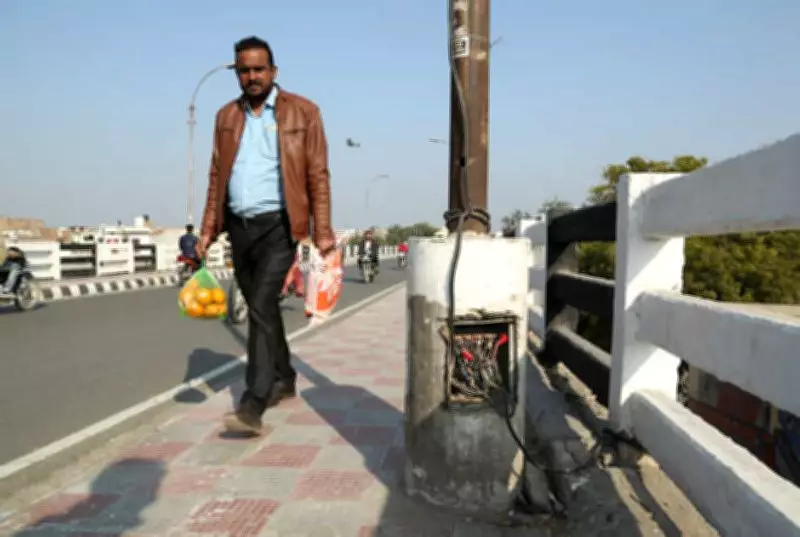
The Supreme Court of India has declared that the right to walk on demarcated footpaths is a fundamental right under Part III of the Constitution. A bench comprising Justice PS Narasimha and Justice AS Chandurkar delivered this landmark judgment on Friday, emphasizing that walking is inextricably linked to human life and dignity.
Constitutional Basis
The court held that the right to walk is integral to the right to movement guaranteed under Article 19(1)(d), read with Article 19(1)(a) (freedom of speech), Article 19(1)(b) (assembly), Article 19(1)(c) (forming associations), and Article 21 (right to life and personal liberty). The fundamental right to walk includes the right to use demarcated footpaths, and these rights take priority over movement by motorized vehicles.
Duties of Authorities
The judgment imposes a duty on urban development authorities, municipal corporations, municipalities, and panchayats to demarcate, construct, maintain, and safeguard footpaths and pedestrian infrastructure. The court stated, “If the road exists, there is a duty to ensure that there are demarcated and well-maintained footpaths for walkers.”

Remedies for Violations
Citizens whose right to walk on footpaths is violated can invoke constitutional and legal remedies for restitution and compensation. This remedy is independent of those available under the Motor Vehicles Act, 1988. The court clarified that the freedom to walk on footpaths is subject to reasonable restrictions.
Case Background
The verdict arose from a fatal road accident where a five-year-old child was hit by a tanker while walking to school with his father, as no footpath or pedestrian crossing existed. The court set aside the high court's order and enhanced compensation to Rs 11.44 lakh for the child's family.
Regulatory Body Recommended
The Supreme Court called for establishing a regulatory body to effectuate this fundamental right. Such a regulator would develop institutional memory, employ domain experts, and ensure independence from governmental or industrial control. The court also directed that the judgment be sent to relevant ministries and the Law Commission for consideration of appropriate legislation.
The matter has been converted into a separate proceeding titled “Re: Fundamental Right to Walk and Footpath” for continued monitoring of pedestrian rights and infrastructure.