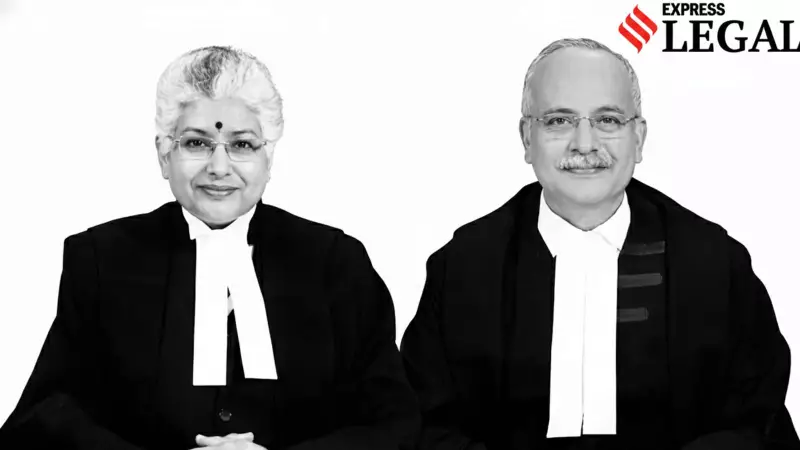
In an extraordinary display of judicial intervention, the Supreme Court of India has set aside the rape conviction and sentence of a man from Madhya Pradesh, attributing the outcome to a judicial "sixth sense." The bench, comprising Justices B V Nagarathna and Satish Chandra Sharma, facilitated a resolution that culminated in the marriage of the accused and the complainant on July 22, 2025.
The Case and the Court's 'Sixth Sense'
The legal saga began in 2015 when the man and woman connected on a social media platform. Their relationship deepened over time and became physical, with the woman stating her consent was based on a promise of marriage from the man. When the marriage was delayed, she filed a First Information Report (FIR) on November 2, 2021, at a women's police station in Sagar district, Madhya Pradesh.
The FIR invoked IPC Sections 376 (rape) and 376(2)(n) (repeated rape on false promise of marriage). Following a trial, the man was convicted in April 2024 and sentenced to ten years of rigorous imprisonment for rape, along with a fine of Rs 50,000, and an additional two years for cheating. After the Madhya Pradesh High Court rejected his plea to suspend the sentence on September 5, 2024, he approached the Supreme Court.

In its order dated December 5, the bench revealed its unique approach. "This is owing to the fact that when the matter came up before this Court... we had a sixth sense that the appellant and the respondent prosecutrix could be brought together once again if they decided to marry each other," the court stated.
From Courtroom to Matrimony: The Unfolding Resolution
Acting on this instinct, the judges suggested that the lawyers for both parties explore the possibility of reconciliation. Subsequently, the accused and the woman, accompanied by their parents, appeared before the bench. After interactions in the judges' chambers, it was confirmed that both were willing to marry.
The court then granted the man interim bail. It observed that both parties had originally intended to marry and that the criminal complaint might have stemmed from insecurity when the man sought a postponement. "We think that owing to a misunderstanding the consensual relationship between the parties was given a criminal colour and converted into an offence of false promise of marriage," the bench noted.
The marriage was solemnized on July 22, 2025. The woman, now his wife, expressed her desire not to pursue the criminal case further. With both parties and their parents satisfied, the court deemed the criminal appeal before the High Court infructuous.
Legal Consequences and Final Orders
Invoking its extraordinary powers under Article 142 of the Constitution, the Supreme Court bench quashed the FIR, the trial court's judgment dated April 12, 2024, and the consequent conviction and sentence.
The court also directed practical reparations. Noting that the man, a government employee, had been suspended following his conviction, the bench ordered the authorities to revoke his suspension and pay all arrears of salary within two months. It was recorded that he had already rejoined duty following interim orders.
Expressing satisfaction with this rare outcome, the court concluded that its intervention had ultimately benefited the appellant, leading to the quashing of his conviction and fostering a familial resolution.