Supreme Court Converts Interim Bail to Regular Bail for Journalist Mahesh Langa
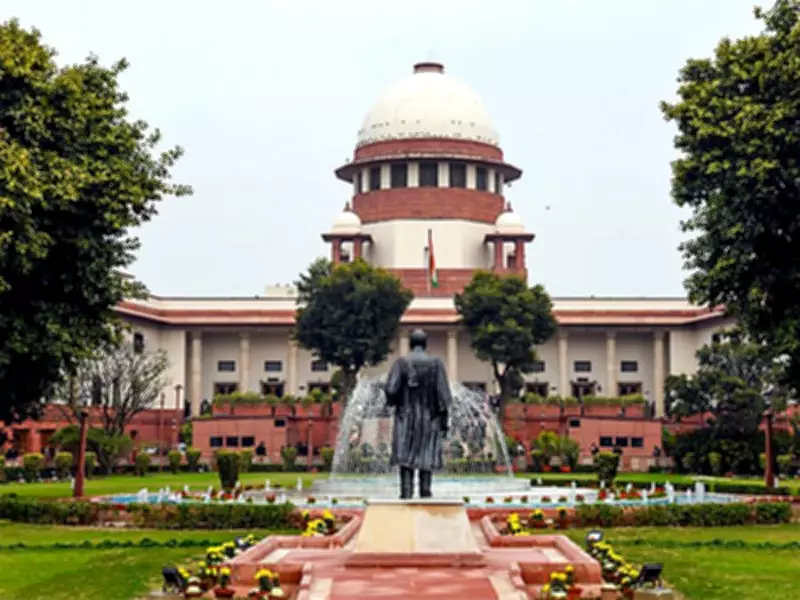
In a significant legal development, the Supreme Court of India has regularized the interim bail granted to Gujarat-based journalist Mahesh Langa, effectively converting it into permanent bail. This decision comes after the court reviewed the circumstances of his case and found no substantial evidence of misuse of the interim bail period.
Background of the Case
Mahesh Langa, a journalist known for his reporting in Gujarat, was arrested in 2022 in connection with a case that has drawn attention from media and legal circles. Following his arrest, he was granted interim bail, which allowed him temporary release pending further legal proceedings. The interim bail was subject to conditions set by the court to ensure compliance with legal norms.
Court's Rationale for Regularization
The Supreme Court, in its ruling, emphasized that there was no proof of Langa misusing the interim bail or violating any of the imposed conditions. The bench noted that the journalist had cooperated with the legal process and adhered to all requirements during the interim period. This lack of adverse findings played a crucial role in the court's decision to convert the bail into a regular one, providing him with more stable legal relief.

Key aspects of the court's observation included:
- No evidence of bail misuse: The court found that Langa had not engaged in any activities that could be construed as a breach of bail terms.
- Cooperation with authorities: His conduct during the interim period was deemed satisfactory, with full compliance to legal directives.
- Judicial discretion: The decision reflects the court's authority to modify bail status based on case merits and individual behavior.
Implications for Media and Legal Framework
This ruling is seen as a positive step for press freedom and the rights of journalists in India. It underscores the judiciary's role in safeguarding individuals' liberties while ensuring justice is served. Legal experts suggest that such decisions can set precedents for similar cases involving media personnel, highlighting the importance of fair treatment under the law.
Potential impacts include:
- Enhanced protection for journalists: The ruling may encourage courts to consider bail regularization in cases where interim conditions are met without issue.
- Legal clarity: It provides a clear example of how interim bail can transition to regular bail based on conduct and evidence.
- Public discourse: The case has sparked discussions on the balance between legal accountability and freedom of expression in journalism.
Reactions and Future Proceedings
Stakeholders, including media associations and human rights groups, have welcomed the Supreme Court's decision, viewing it as a reinforcement of constitutional rights. However, the underlying case against Langa is still ongoing, and he is expected to continue participating in legal proceedings as required. The regularization of bail does not imply a conclusion to the case but offers him continued liberty while it progresses.
In summary, the Supreme Court's move to regularize Mahesh Langa's bail marks a pivotal moment in his legal journey, emphasizing judicial oversight and individual rights. As the case unfolds, it will remain a point of reference for legal and media communities alike.