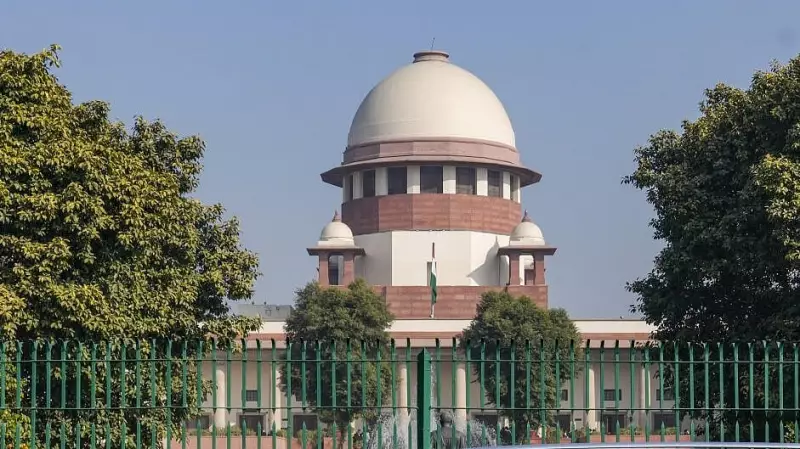
In a powerful rebuke, the Supreme Court of India has overturned an order by the Andhra Pradesh High Court that had quashed multiple corruption-related First Information Reports (FIRs). The apex court, in a judgment delivered on January 8, 2026, did not mince words, labeling the High Court's action as 'nothing but a travesty of justice'.
A Stern Verdict from the Apex Court
The bench, while setting aside the controversial order, issued a clear and direct mandate to prevent further obstruction of the investigations. The Supreme Court explicitly stated that 'the High Court of Andhra Pradesh shall entertain no more challenge to the FIRs'. This firm directive aims to ensure that the corruption cases can proceed without further judicial delays at the state high court level, marking a significant moment for legal accountability.
Context and Implications of the Ruling
While the detailed contents of the FIRs were not fully disclosed in the report, the Supreme Court's strong language indicates the serious nature of the alleged corruption cases. By reinstating the FIRs, the top court has effectively reopened the legal avenue for investigation into these matters. This judgment underscores the Supreme Court's role as the guardian of justice, stepping in when it perceives lower courts have overstepped or erred in a manner that obstructs the course of law.

The ruling has several immediate consequences:
- The corruption investigations, based on the reinstated FIRs, are now free to move forward.
- The Andhra Pradesh High Court is barred from hearing any further petitions challenging these specific FIRs.
- The judgment sets a precedent regarding the limits of high court authority in quashing FIRs, especially in serious cases like corruption.
What This Means for Legal Proceedings in Andhra Pradesh
This decisive intervention by the Supreme Court sends a strong message about the importance of unimpeded investigations into corruption allegations. It reinforces the principle that early-stage judicial interventions to quash FIRs should be exercised with extreme caution, particularly in cases involving serious charges against public officials or entities. The 'travesty of justice' remark will likely be cited in future legal arguments concerning the quashing of FIRs across the country.
The news of this judgment was reported by Ashish Tripathi and was last updated on 09 January 2026, at 02:20 IST. The Supreme Court's order is expected to have a lasting impact on how similar cases are handled by high courts in India, emphasizing the primacy of thorough investigation over premature dismissal.