Court Orders Immediate Removal of Unauthorised Content
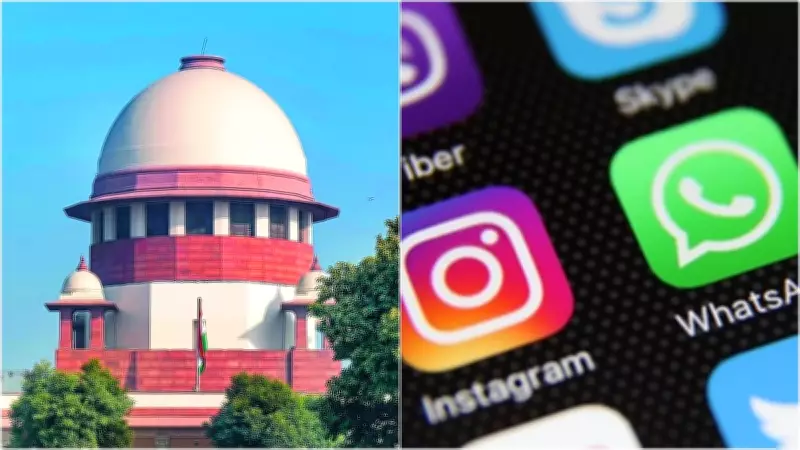
The Supreme Court of India has issued a landmark ruling banning the dissemination of unauthorised video clips of judicial proceedings on social media platforms. The order, delivered on 24 July 2026, aims to preserve the dignity of the court and prevent misinformation. However, the bench clarified that the restriction does not apply to legitimate news reporting by accredited media organisations.
The decision came in response to a petition highlighting the rampant posting of short clips from court hearings, often taken out of context or manipulated. The court noted that such practices could undermine public trust in the judiciary and lead to contempt of court.
Scope of the Ban
The ban covers all forms of social media, including platforms like X, Facebook, Instagram, and YouTube. Unauthorised clips—defined as any video recording or snippet not officially released by the court or recorded with prior permission—must be taken down immediately. The court warned of strict action, including contempt proceedings, against violators.

Importantly, the order does not affect news outlets reporting on proceedings through text, images, or authorised video feeds. The court emphasised that the media plays a vital role in informing the public and must not be hampered.
Context and Precedents
This ruling builds on the Supreme Court's earlier efforts to regulate the live-streaming and recording of its hearings. In 2018, the court allowed live-streaming of constitutional bench cases, but with strict guidelines. The new ban addresses the unauthorised repurposing of such recordings for social media.
Legal experts have welcomed the move, stating that it balances transparency with fairness. "The court is not shutting the door on public access; it is merely preventing the misuse of its proceedings," said a senior advocate.
Impact on Social Media Users
Ordinary users sharing clips from court hearings could face legal consequences. The court urged platforms to proactively monitor and remove infringing content. The order also requires social media companies to report the number of takedowns to the court registry.
Some critics argue the ban could be used to suppress legitimate criticism. However, the court assured that it would not hinder journalism or lawful expression.
Enforcement and Next Steps
The directive is effective immediately. The court has asked the central government and the Bar Council to issue advisories to all stakeholders. A compliance report is due within three months.
This decision marks a significant step in regulating the digital footprint of India's highest court, ensuring that social media does not become a vehicle for distorted narratives.