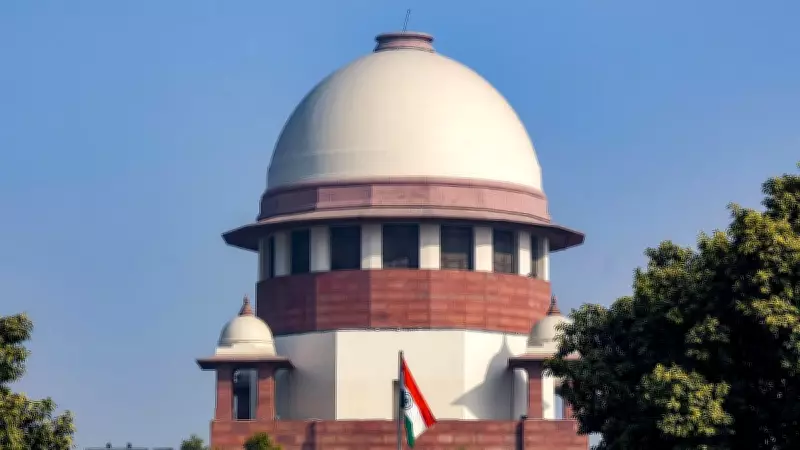
On 24 July 2026, the Supreme Court of India proposed the establishment of special courts to conduct day-to-day trials in cases related to the 2023 ethnic violence in Manipur. The proposal came while the court was reviewing status reports submitted by the Central Bureau of Investigation (CBI), Special Investigation Teams (SITs), and former Maharashtra DGP Dattatray Padsalgikar, who was appointed as a monitor to oversee the investigations.
Background of the Violence and Investigation
Manipur witnessed large-scale ethnic clashes between the Kuki and Meitei communities starting in May 2023. According to official figures, the violence resulted in over 200 deaths and displaced thousands of people. The Supreme Court had earlier intervened, ordering the formation of SITs and tasking the CBI with investigating key cases. To ensure impartial and effective probes, the court also appointed former Maharashtra DGP Dattatray Padsalgikar as an independent monitor.
The status reports reviewed by the bench indicated that investigations were progressing but faced challenges, including witness intimidation and delays in the judicial process. The court observed that speedy trials were essential to deliver justice and restore confidence in the legal system.

Special Courts Proposal
A bench comprising Chief Justice of India and other judges noted that existing courts in Manipur were overburdened, leading to prolonged trials. The suggestion to set up special courts aims to expedite the legal process by designating dedicated judges and ensuring daily hearings. The court directed the Union government and the Manipur state administration to consult and submit a plan for the creation of such courts within four weeks.
The proposed special courts will focus exclusively on cases arising from the ethnic violence, including those involving murder, arson, and hate speech. The court emphasized that day-to-day trials would help address the backlog and provide timely justice to victims.
Reactions and Next Steps
Legal experts and human rights organizations have welcomed the move, stating that it could set a precedent for handling large-scale violence cases in India. The Manipur government has assured cooperation, while the CBI and SITs continue to file charge sheets. The next hearing is scheduled for August 2026, by which time the government is expected to present its feasibility report on the special courts.
The Supreme Court's intervention underscores its commitment to ensuring accountability and rule of law in the region. With the special courts proposal, the court aims to accelerate the delivery of justice for the victims of the 2023 ethnic clashes.