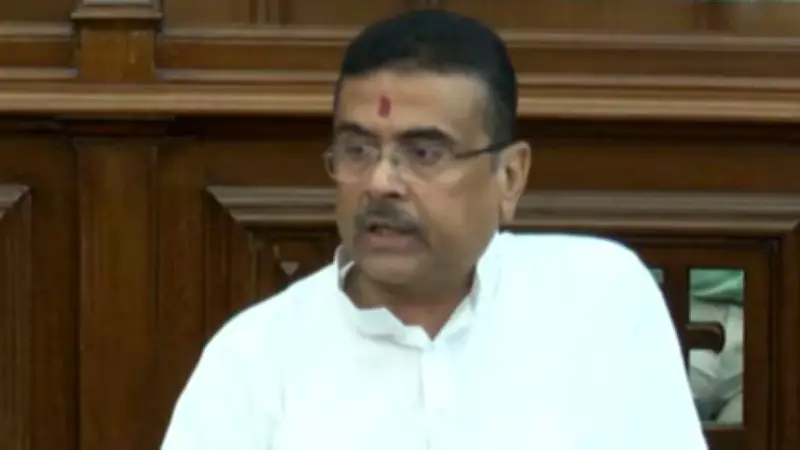
The West Bengal Assembly on June 29, 2026, passed a landmark bill aimed at curbing violence in the state. The legislation, introduced by the state government, seeks to strengthen legal provisions against violent acts and ensure swift justice. According to state government sources, the bill received bipartisan support and is expected to be enacted into law shortly.
Key Provisions of the Anti-Violence Bill
The bill includes provisions for stricter penalties for offenses related to mob violence, public unrest, and hate crimes. It mandates faster investigation and trial processes, with a timeline of 60 days for completion of investigations. Additionally, the bill establishes special courts to handle such cases, aiming to reduce the backlog of pending cases.
State Home Secretary, speaking on condition of anonymity, stated, "This bill is a significant step towards maintaining law and order. It sends a strong message that violence will not be tolerated." The bill also includes measures for victim compensation and witness protection.

Uniform Civil Code on Cabinet Agenda
In a separate development, the Uniform Civil Code (UCC) is set to be presented before the state cabinet on July 2, 2026. The UCC, which aims to replace personal laws based on religious customs with a common set of laws governing marriage, divorce, inheritance, and adoption, has been a contentious issue. The West Bengal government's move to bring the UCC to the cabinet marks a major step towards its implementation in the state.
Chief Minister Mamata Banerjee has previously expressed support for the UCC, stating that it would ensure gender justice and equality. However, opposition parties have criticized the move, arguing that it infringes upon religious freedoms. The cabinet meeting on July 2 is expected to deliberate on the draft UCC before it is tabled in the assembly.
Political Reactions and Implications
The passage of the anti-violence bill has drawn mixed reactions. Ruling party members hailed it as a historic measure to curb crime, while opposition leaders raised concerns about potential misuse. Trinamool Congress MP Sudip Bandyopadhyay said, "This bill is a necessary tool to protect the citizens of West Bengal from rising violence." In contrast, BJP state president Sukanta Majumdar called it "a draconian law that could be used to silence dissent."
The UCC proposal has further polarized political opinions. The Bharatiya Janata Party (BJP) has been advocating for a nationwide UCC, while regional parties like the Trinamool Congress have been cautious. The West Bengal cabinet's decision on July 2 will be closely watched as it could set a precedent for other states.
Impact on Law and Order
According to state police data, incidents of violent crimes in West Bengal have increased by 15% over the past year. The new bill is expected to address this trend by expediting legal processes and enhancing deterrence. Legal experts believe that the special courts and faster trials will significantly reduce the conviction time, which currently averages 18 months for violent crime cases.
The bill also includes provisions for community policing and awareness programs to prevent violence at the grassroots level. The government has allocated ₹50 crore for the implementation of these measures over the next two years.