

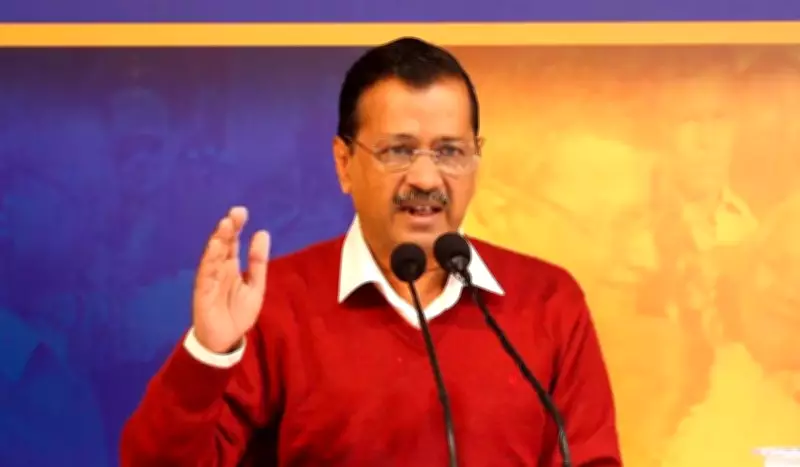
AAP Condemns BJP for Alleged Civic Failures in Delhi
The Aam Aadmi Party (AAP) has launched a sharp critique against the Bharatiya Janata Party (BJP), holding it responsible for a series of tragic incidents in Delhi, including murders and deaths attributed to civic negligence. This accusation comes amid growing public concern over the state of urban infrastructure and safety in the national capital.
Allegations of Administrative Neglect
According to AAP officials, the BJP-led municipal corporations in Delhi have demonstrated a severe lack of oversight and proactive measures, resulting in hazardous conditions that have allegedly led to fatal outcomes. The party points to specific cases where poor maintenance of public spaces, inadequate lighting, and delayed responses to safety hazards have been linked to criminal activities and accidents.
Key incidents highlighted by AAP include recent murders in poorly lit areas and deaths due to neglected infrastructure such as collapsing structures or unmarked construction zones. The party argues that these events are not isolated but symptomatic of a broader pattern of civic apathy under BJP administration.

Demands for Accountability and Action
In response, AAP has called for immediate accountability from BJP leaders, urging them to address the systemic issues plaguing Delhi's civic services. The party has demanded:
- Enhanced safety measures in public areas, including better street lighting and surveillance.
- Regular audits and maintenance of civic infrastructure to prevent accidents.
- Transparent reporting and swift action on complaints related to civic negligence.
AAP spokesperson emphasized, "The BJP must prioritize citizen safety over political maneuvering. Every life lost due to civic failure is a stain on governance."
Political Implications and Public Reaction
This confrontation adds to the ongoing political tensions between AAP and BJP in Delhi, where both parties have frequently clashed over issues of governance and public welfare. Public reaction has been mixed, with some residents expressing frustration over persistent civic problems, while others view the accusations as part of political posturing ahead of upcoming elections.
Experts note that such debates often highlight the challenges of urban management in rapidly growing cities like Delhi, where coordination between multiple administrative bodies is crucial. The outcome of this dispute could influence voter sentiment and policy focus in the region.
As the situation unfolds, AAP continues to press for reforms, while the BJP has yet to issue a detailed response. The discourse underscores the critical need for effective civic governance to ensure public safety and well-being in India's capital.






