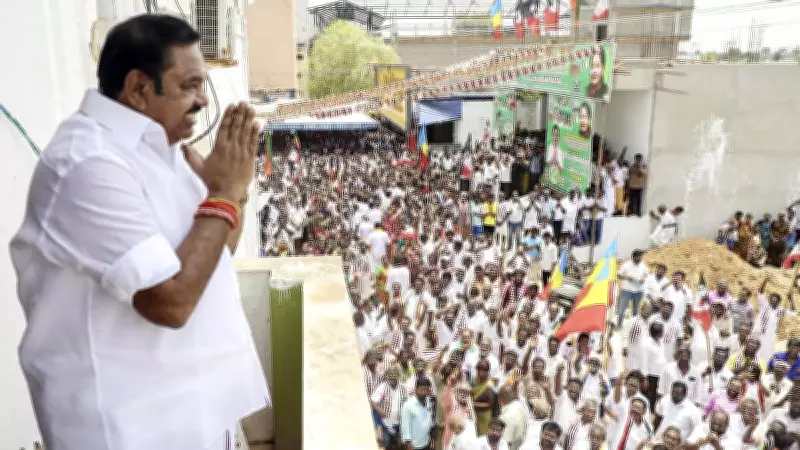
The AIADMK crisis has deepened as rebel leaders rejected newly assigned positions and boycotted a crucial party meeting. In an open letter to party General Secretary Edappadi K Palaniswami, the senior leaders justified their vote in favor of the Tamilaga Vettri Kazhagam (TVK) during the recent legislative assembly session, citing Palaniswami's decision to form a government with outside support from the DMK as the primary reason for their dissent.
Rebel Leaders' Open Letter
The letter, signed by several prominent rebel leaders, accused Palaniswami of betraying the party's core principles by aligning with the DMK. They stated that their vote for the TVK was a protest against this decision, which they believe undermines the AIADMK's ideological stance. The leaders also expressed disappointment over the distribution of new party posts, which they claimed were allocated without proper consultation or merit.
Key Meeting Boycotted
The rebel leaders skipped a high-level party meeting convened by Palaniswami to discuss organizational restructuring and electoral strategies. Their absence highlighted the growing rift within the party, which has been struggling to maintain unity since its poor performance in the 2026 state elections. According to party insiders, the meeting was intended to address internal grievances, but the rebels' boycott has further polarized the factions.

Impact on Party Unity
Political analysts suggest that the deepening crisis could weaken the AIADMK's position ahead of upcoming local body elections. The party's traditional vote bank may be affected if the infighting continues. A senior political commentator noted, "The AIADMK is at a crossroads. The leadership must address these internal dissentions swiftly to avoid a permanent split."
Background of the Crisis
The crisis traces back to the AIADMK's decision to form a government in Tamil Nadu with the DMK's outside support after the 2026 elections resulted in a hung assembly. This move was seen as a pragmatic step to prevent the TVK from gaining power, but it angered many party loyalists who view the DMK as a historical rival. The rebel leaders, including former ministers and senior functionaries, have since been vocal in their opposition, demanding a return to the party's original ideology.
As the standoff continues, the AIADMK faces an uncertain future. The party's ability to reconcile its factions will be critical in determining its relevance in Tamil Nadu politics.