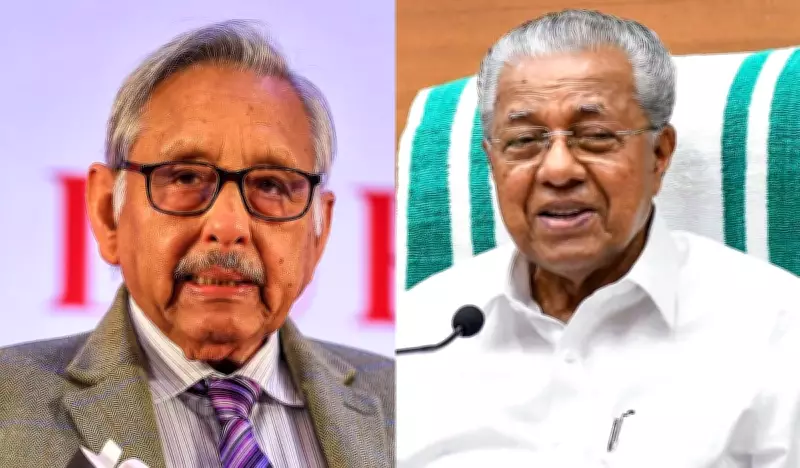
Mani Shankar Aiyar Escalates Praise for Kerala CM, Targets Congress Leadership
In a recent development that has stirred political circles, veteran politician Mani Shankar Aiyar has once again expressed admiration for Kerala Chief Minister Pinarayi Vijayan, while simultaneously launching a sharp critique against leaders within the Congress party. This move comes amidst growing speculation about his standing within the Congress, as he faces backlash for his comments.
Aiyar Defends His Position Amid Expulsion Speculation
Reacting to assertions from Congress leaders that he is no longer actively connected with the party, Aiyar clarified his status by stating that he has yet to receive any formal letter of expulsion from Congress President Mallikarjun Kharge. This statement highlights the ongoing uncertainty surrounding his party affiliation and adds fuel to the internal discord within the Congress ranks.
The controversy began when Aiyar publicly commended Pinarayi Vijayan, a move seen as controversial given the political rivalry between the Congress and the Communist Party of India (Marxist) in Kerala. His praise for the Kerala CM has been interpreted by many as a direct challenge to the Congress leadership, prompting swift reactions from party members who questioned his loyalty and current role.

Political Implications and Reactions
This incident underscores the deepening fissures within the Congress party, particularly in Kerala where it is a key opposition force. Aiyar's actions have sparked debates about party discipline and the handling of dissent, with some viewing his statements as a sign of broader discontent among certain factions.
Observers note that Aiyar's continued alignment with figures like Pinarayi Vijayan could have significant repercussions for Congress's electoral strategies in the state, potentially weakening its position ahead of future polls. The lack of an official expulsion letter from Kharge leaves Aiyar in a limbo, allowing him to maintain a public platform while distancing himself from party norms.
As the situation unfolds, political analysts are closely monitoring how the Congress leadership will address this challenge, whether through disciplinary action or attempts at reconciliation. The episode serves as a reminder of the volatile nature of Indian politics, where personal loyalties and public statements can quickly alter party dynamics.