NCP's Chhagan Bhujbal Discloses Police File Role in Bal Thackeray's 2000 Arrest
In a significant revelation, Nationalist Congress Party (NCP) leader Chhagan Bhujbal has stated that the arrest of late Shiv Sena founder Bal Thackeray in 2000 was initiated based on a file received from the police. Bhujbal emphasized that his intention at the time was to ensure Thackeray obtained bail, shedding new light on a controversial episode in Maharashtra's political history.
Details of the 2000 Arrest and Allegations
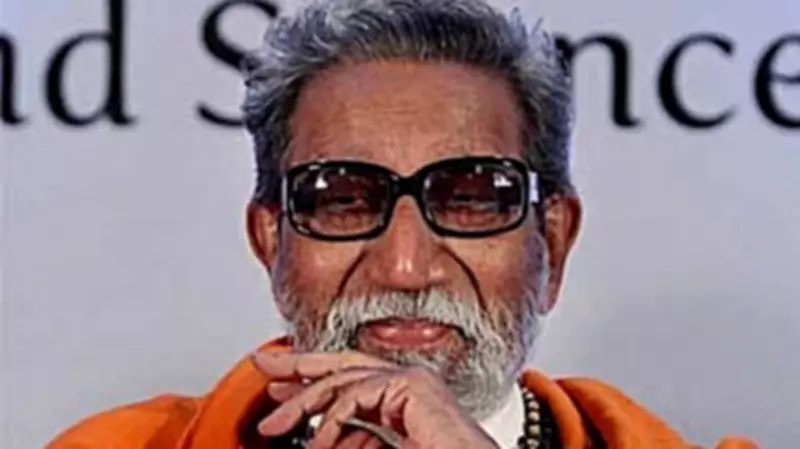
Bal Thackeray, a towering figure in Indian politics, was briefly arrested in 2000 for his alleged involvement in instigating the 1993 communal riots in Mumbai. The riots, which erupted in the aftermath of the Babri Masjid demolition, resulted in widespread violence and loss of life across the city. Thackeray's arrest, though short-lived, sparked intense political debates and protests, with his supporters decrying it as a politically motivated move.
According to Bhujbal, the arrest was not a spontaneous decision but was driven by a formal police file that outlined the allegations against Thackeray. This file reportedly contained evidence and testimonies linking Thackeray to inflammatory speeches and actions during the riots, which authorities claimed contributed to the escalation of violence.

Bhujbal's Stated Objective: Securing Bail for Thackeray
Chhagan Bhujbal, who was a key figure in the Maharashtra government at the time, has now clarified that his role in the arrest was aimed at facilitating a legal process that would allow Thackeray to secure bail. In his statement, Bhujbal asserted, "The file came from the police, and I wanted Shiv Sena chief to get bail." This suggests that the arrest was seen as a procedural step to bring the matter before the courts, rather than an attempt to detain Thackeray indefinitely.
Bhujbal's revelation adds a nuanced perspective to the incident, indicating that internal dynamics within the administration may have influenced how the case was handled. It also raises questions about the interplay between law enforcement and political considerations during such high-profile cases.
Political Repercussions and Historical Context
The arrest of Bal Thackeray remains a contentious topic in Indian politics, particularly in Maharashtra. Thackeray, who passed away in 2012, was a charismatic leader whose Shiv Sena party wielded significant influence in the state. His arrest in 2000 was viewed by many as a direct challenge to his authority and sparked rallies and demonstrations across Mumbai.
Bhujbal's comments come at a time when political narratives around historical events are being revisited, often to shape contemporary discourse. By highlighting the police file's role and his bail intentions, Bhujbal may be seeking to clarify his stance or address long-standing speculations about his involvement in the case.
Key points from Bhujbal's disclosure include:
- The arrest was based on a police file detailing Thackeray's alleged role in the 1993 riots.
- Bhujbal claims his objective was to enable Thackeray to obtain bail through legal channels.
- The incident underscores the complex relationship between politics and law enforcement in India.
As this news emerges, it is likely to reignite discussions about accountability, justice, and the legacy of communal violence in Mumbai. The timing of Bhujbal's statement, years after the event, adds a layer of historical reflection to ongoing political debates in Maharashtra and beyond.