

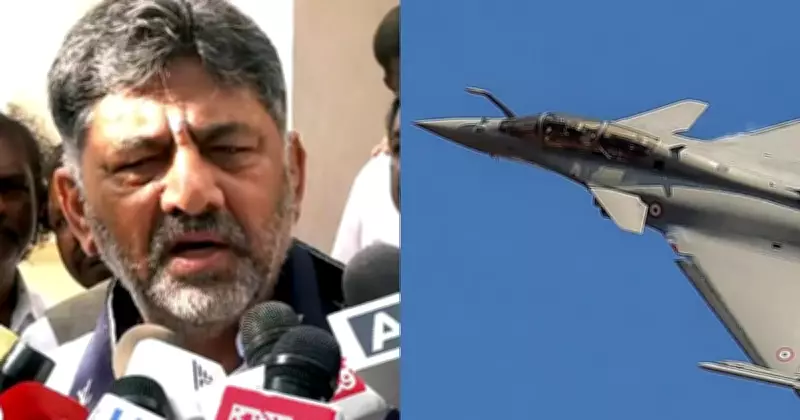
Major Defence Boost: India Greenlights 117 Rafale Jets and Rs 3.6 Lakh Crore Acquisitions
In a significant move to bolster national security, the Centre has cleared the procurement of 117 Rafale fighter jets along with other critical defence acquisitions. The total value of these approvals stands at an impressive Rs 3.6 lakh crore, marking one of the largest defence deals in recent history.
Details of the Defence Procurement
The approval encompasses a comprehensive package aimed at modernizing the Indian Air Force. The 117 Rafale jets, manufactured by French aerospace company Dassault Aviation, are expected to enhance India's air combat capabilities significantly. This acquisition follows the earlier procurement of 36 Rafale jets, which have already been integrated into the IAF's fleet.
Additional acquisitions included in this massive deal involve advanced weapon systems, surveillance equipment, and other strategic assets. The government has emphasized that these procurements are essential for maintaining India's defence readiness and addressing emerging security challenges in the region.

Political Developments: D K Shivakumar Clarifies AICC Meeting Agenda
Simultaneously, in the political arena, Karnataka Congress leader D K Shivakumar addressed media queries in Delhi regarding the recent All India Congress Committee (AICC) meeting. Shivakumar categorically stated that there were no discussions about chief ministerial positions during the gathering. This clarification comes amid ongoing speculation about leadership changes within the Congress party in various states.
Shivakumar, who serves as the Deputy Chief Minister of Karnataka, emphasized that the AICC meeting focused on broader organizational strategies and upcoming electoral preparations rather than state-specific leadership talks. His comments aim to quell rumors and provide clarity on the party's internal deliberations.
Implications and Next Steps
The defence procurement approvals are likely to undergo further procedural steps, including contract negotiations and delivery timelines. Experts suggest that this move will not only strengthen India's military prowess but also have positive economic impacts through technology transfer and domestic manufacturing opportunities under the 'Make in India' initiative.
On the political front, Shivakumar's statements are expected to influence intra-party dynamics and public perception ahead of crucial state elections. The Congress party continues to navigate complex political landscapes while preparing for future electoral battles.
This dual development highlights key areas of national importance—defence modernization and political stability—as India progresses through 2026 with strategic decisions shaping its trajectory on both security and governance fronts.






