Congress Voices Strong Opposition to Proposed Lok Sabha Expansion Bill
The Congress party has come out in firm opposition to a legislative proposal that seeks to increase the size of the Lok Sabha by a substantial fifty percent. The party has characterized this move as one that would systematically disadvantage states located in the South, Northeast, and West of India, creating a significant imbalance in parliamentary representation.
Jairam Ramesh Raises Alarm Over Equitable Representation
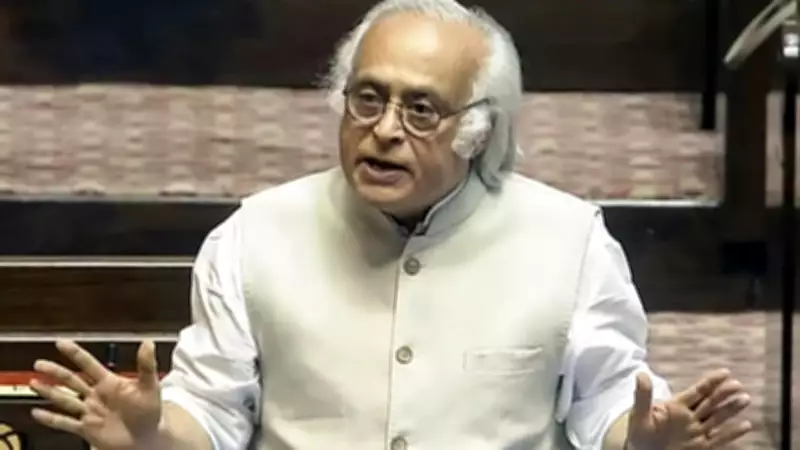
Congress General Secretary in charge of communications, Jairam Ramesh, took to social media platform X to articulate the party's deep concerns. In a detailed post, he criticized the Modi government's approach, accusing it of attempting to "bulldoze" the bill through Parliament without adequate consultation.
"The argument that a 50% increase in seats across-the-board is equitable is deceptive," Ramesh wrote. "Proportions may not change for the present, but there are deeper implications that cannot be wished away." He emphasized that while the bill proposes a uniform percentage increase for all states, the actual numerical gains would be vastly unequal, exacerbating existing disparities.

Illustrating the Numerical Disparity Between Regions
Ramesh provided concrete examples to underscore the potential inequity. He pointed out that under the current system, Uttar Pradesh holds 80 Lok Sabha seats compared to Tamil Nadu's 39. With the proposed fifty percent expansion, Uttar Pradesh's representation would surge to 120 seats, while Tamil Nadu would only increase to a maximum of 59.
Similarly, Kerala would see its seats rise from 20 to 30, whereas Bihar would jump from 40 to 60. Overall, the southern states are projected to gain only 66 additional seats, while the northern states would secure a massive 200-seat increase. This stark contrast, Ramesh argued, would permanently place South Indian states at a political disadvantage.
Concerns Over Unilateral Decision-Making and State Backlash
The Congress leader also raised serious concerns about the unilateral nature of the proposal. He claimed that Prime Minister Narendra Modi is "unilaterally preparing a law" that could harm smaller states. Ramesh noted that Telangana's Chief Minister has already expressed alarm, and he anticipates other state leaders will follow suit once the proposal becomes officially public.
The opposition party further argued that this Lok Sabha expansion, coupled with potential amendments to the women's reservation law, could be employed as a "weapon of mass diversion." They suggest this legislative push might be intended to shift public attention away from the government's perceived shortcomings in foreign policy and ongoing energy crisis management.
Details of the Proposed Legislative Changes
According to the bill, the total number of Lok Sabha seats would increase by fifty percent, rising from the current 543 to 816. This expansion would introduce 273 new seats, all of which are reportedly earmarked for women under the proposed women's reservation framework.
The government is expected to introduce two separate bills during the current parliamentary session. One would implement reservation for women in one-third of all seats for the next Lok Sabha elections and subsequent state assembly polls. The other would enact the Lok Sabha seat increase.
This move is anticipated to significantly reshape India's political landscape. While maintaining the positions of incumbent parliamentarians—who are predominantly male—the majority mark required to form a government would accordingly rise to 409 seats. The Congress party's opposition sets the stage for a contentious parliamentary debate on regional representation and democratic equity.