Congress Condemns Arrest of Youth Wing Chief as Government's Attempt to Stifle Protest
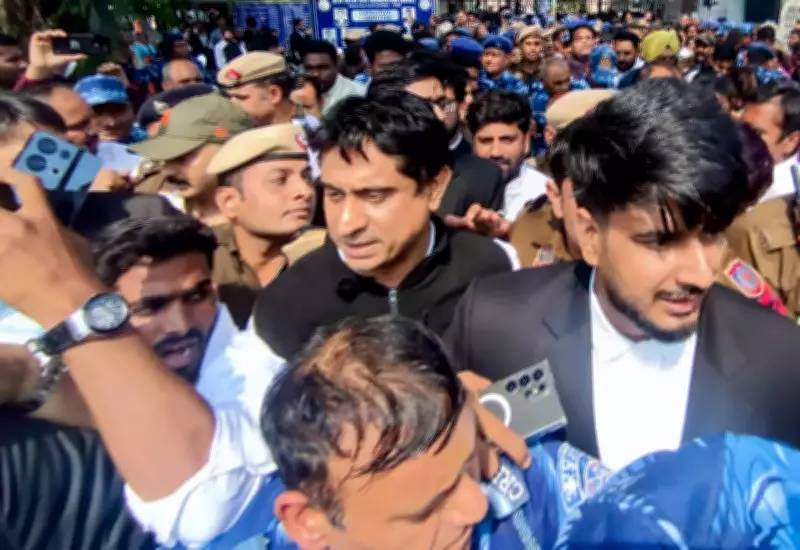
The Congress party has launched a sharp criticism against the government following the arrest of its youth wing chief, accusing the authorities of a deliberate move to silence opposition and curb democratic protests across the nation. In a strongly worded statement, Congress leaders asserted that this action represents a broader pattern of suppressing dissent and undermining the fundamental right to peaceful assembly.
Allegations of Political Motives Behind the Detention
According to Congress officials, the arrest is not merely a law enforcement measure but a politically motivated act aimed at intimidating activists and discouraging public demonstrations against government policies. They argue that such tactics are being employed to create a climate of fear and restrict the space for legitimate political discourse in India.
The party has highlighted that this incident is part of a series of actions targeting opposition figures and civil society members, raising concerns about the erosion of democratic norms and the rule of law. Congress spokespersons have called for an immediate review of the case and demanded the release of the youth leader, emphasizing the need to protect constitutional freedoms.

Government's Response and Legal Context
While the government has not issued an official statement in response to these allegations, sources indicate that the arrest was made based on specific legal provisions related to maintaining public order. Authorities have reportedly cited violations during recent protests as grounds for the detention, though details remain undisclosed.
Legal experts note that such arrests often involve charges under sections of the Indian Penal Code pertaining to unlawful assembly or sedition, but the exact nature of the accusations in this case is still unclear. The Congress party has vowed to challenge the arrest through legal channels and mobilize public support to highlight what they describe as an assault on democratic values.
Broader Implications for Indian Democracy
This development has sparked a wider debate about the state of civil liberties and political expression in India. Analysts suggest that the arrest could intensify tensions between the ruling party and the opposition, potentially leading to more confrontations in the coming months.
- Increased scrutiny on protest laws: There are calls for a reevaluation of laws governing public demonstrations to ensure they are not misused for political purposes.
- Impact on youth activism: The detention of a youth leader may deter young people from participating in political activities, affecting grassroots mobilization.
- International attention: Human rights organizations and foreign observers are likely to monitor the situation, given India's global standing as a democracy.
In conclusion, the Congress party's allegations underscore a deepening political rift, with the arrest serving as a flashpoint in ongoing debates about freedom of expression and governance in India. The outcome of this case could have significant repercussions for the country's democratic fabric and the dynamics of opposition politics.