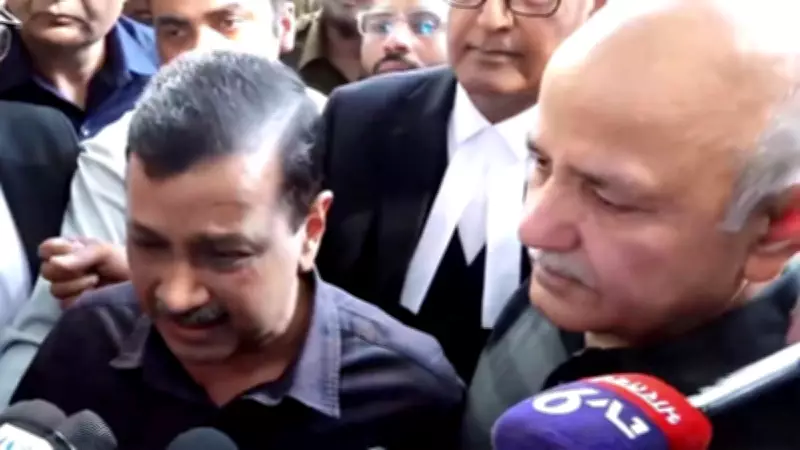
Delhi Liquor Policy Case: Court Acquits All Accused, Including Arvind Kejriwal and Manish Sisodia
In a significant legal development, a Delhi court has acquitted all 23 individuals accused in the high-profile Delhi liquor policy case. The verdict, delivered on February 27, 2026, includes prominent political figures such as Delhi Chief Minister Arvind Kejriwal and former Deputy Chief Minister Manish Sisodia. The court's decision marks a pivotal moment in this long-running investigation, which has been closely watched across the nation.
Court Cites Lacunae in Charge Sheet as Basis for Acquittal
The acquittal was primarily based on the court's observation of several lacunae, or gaps, in the charge sheet filed by the prosecution. According to the judgment, these deficiencies were substantial enough to undermine the case against the accused. The court noted that the prosecution had attempted to fill these gaps using statements provided by an approver, but this approach was deemed insufficient to establish guilt beyond a reasonable doubt.
The legal proceedings highlighted critical flaws in the evidence presented, with the court emphasizing that the charge sheet lacked concrete proof to support the allegations. This ruling underscores the importance of robust and comprehensive documentation in criminal cases, particularly those involving high-stakes political implications.

Background and Implications of the Case
The Delhi liquor policy case has been a focal point in Indian politics, with allegations of irregularities and corruption in the formulation and implementation of liquor sales policies in the national capital. The investigation had led to the arrest and charges against multiple individuals, including key members of the Aam Aadmi Party (AAP).
The acquittal of all accused parties is expected to have far-reaching consequences, potentially reshaping political narratives and legal strategies in similar cases. It also raises questions about the investigative processes and the reliance on approver testimonies, which can sometimes be contentious in judicial proceedings.
Reactions and Future Outlook
Following the verdict, reactions from political circles and the public have been mixed, with supporters of the accused celebrating the decision as a vindication of their stance. Legal experts are analyzing the judgment for its broader implications on anti-corruption cases and the standards of evidence required in such matters.
As the dust settles, this case serves as a reminder of the complexities involved in prosecuting high-profile political figures and the need for meticulous legal groundwork. The acquittal may also influence ongoing and future investigations into policy-related controversies across India.