

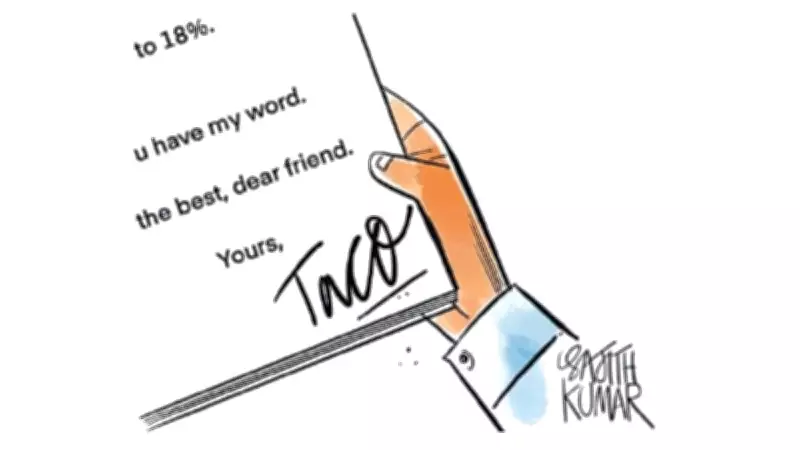
Deccan Herald's Editorial Cartoon Offers Witty Take on Political Friendships
In its latest edition, Deccan Herald has published a thought-provoking editorial cartoon that delves into the intricate and often humorous world of political friendships. Titled "The Best Dear Friend," this cartoon employs sharp satire to comment on the nature of alliances and relationships within the political landscape, capturing the essence of how such bonds are perceived and portrayed in public discourse.
Analyzing the Satirical Elements of the Cartoon
The cartoon, crafted by the newspaper's talented editorial team, uses visual metaphors and clever imagery to highlight the superficial or strategic aspects of political friendships. By depicting characters in a light-hearted yet critical manner, it invites readers to reflect on the authenticity and durability of these connections, which are often forged for electoral gains or policy support rather than genuine camaraderie.
This piece stands out as a significant contribution to political commentary, as it not only entertains but also educates the audience about the underlying dynamics at play. The use of satire allows for a nuanced exploration of topics that might otherwise be too complex or sensitive, making it accessible to a broad readership while maintaining a critical edge.

The Role of Editorial Cartoons in Political Discourse
Editorial cartoons have long been a powerful tool in journalism, serving as a mirror to society by encapsulating complex issues in a single, impactful image. Deccan Herald's "The Best Dear Friend" continues this tradition by addressing themes of loyalty, betrayal, and the ever-shifting allegiances that characterize modern politics. Through its artistic expression, the cartoon sparks conversations and encourages public engagement with current affairs.
Moreover, such cartoons play a crucial role in holding power structures accountable, as they often challenge the status quo and question the motives of political actors. By blending humor with insight, they foster a more informed and critical citizenry, which is essential for a healthy democracy.
Impact and Reception of the Cartoon
Since its publication, the cartoon has garnered attention for its timely relevance and artistic merit. Readers and critics alike have praised its ability to distill complex political narratives into a visually engaging format, making it a standout piece in today's media landscape. The cartoon's success underscores the enduring appeal of editorial art in an era dominated by digital content and fast-paced news cycles.
As political climates evolve, cartoons like this one serve as a reminder of the importance of satire in fostering dialogue and reflection. They offer a unique perspective that complements traditional news reporting, providing a fuller picture of the issues at hand.
In conclusion, Deccan Herald's "The Best Dear Friend" cartoon is more than just a piece of art; it is a commentary on the nature of political relationships that resonates with audiences across India. By leveraging satire, it contributes to a richer understanding of the forces shaping our society, making it a valuable addition to the ongoing discourse on politics and power.






