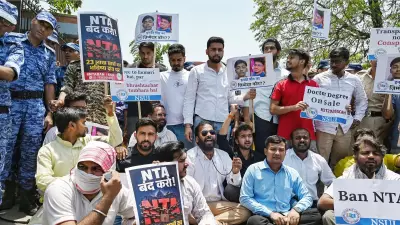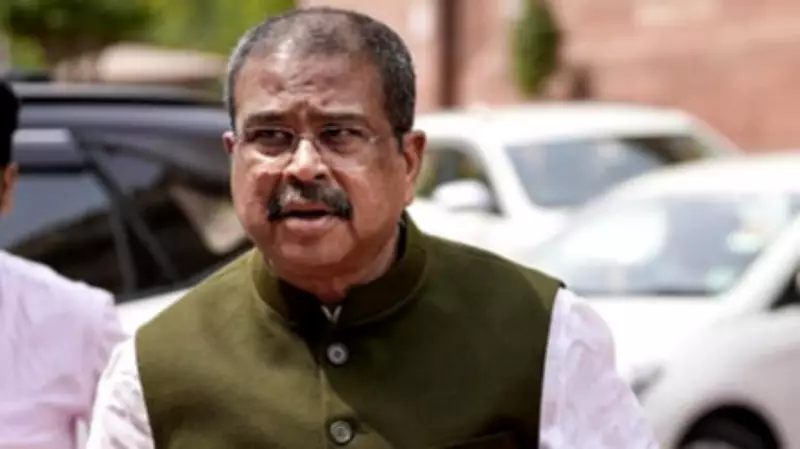
The resignation of Union Minister Dharmendra Pradhan on 25 July 2026 marks another addition to a short list of instances where the Narendra Modi government has made a significant climbdown since coming to power in 2014. Pradhan's exit came after sustained pressure from the Cockroach Janata Party (CJP)-led agitation, which had made his resignation its principal demand.
Background of the CJP-Led Agitation
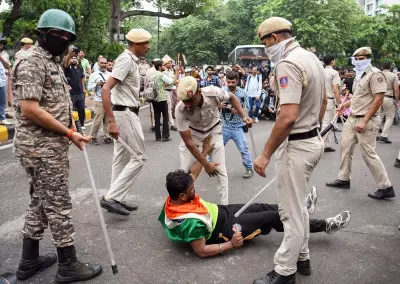
The CJP, a political group known for its aggressive protests, had been mobilizing supporters across multiple states, demanding Pradhan's ouster over alleged policy failures and administrative lapses. The agitation gained momentum over several weeks, with protests turning violent in some regions. The Centre initially resisted, but after multiple rounds of talks with protest leaders, the government agreed to a series of policy announcements to address the grievances.
According to officials familiar with the negotiations, the talks were intense, with the CJP insisting on Pradhan's resignation as a non-negotiable condition. The government's decision to accept the demand came as a surprise to many, given the Modi administration's reputation for standing firm against political pressure.

Government's Response and Policy Announcements
In addition to accepting Pradhan's resignation, the Centre also announced a package of measures aimed at addressing the issues raised by the protesters. These included increased funding for rural development projects, a review of certain regulatory frameworks, and the establishment of a committee to examine administrative reforms. However, the exact details of these announcements have not been fully disclosed.
The resignation itself was formally submitted to the President of India, and a brief statement from the Prime Minister's Office thanked Pradhan for his service. No immediate replacement was named, leaving the ministry's portfolio temporarily under the charge of another senior minister.
Pradhan's Exit in Context: A History of Climbdowns
Since 2014, the Modi government has only rarely reversed major decisions or bowed to public pressure. Notable previous climbdowns include the rollback of the farm laws in 2021 after months of farmer protests, and the withdrawal of the controversial Citizenship Amendment Act rules in some states. Pradhan's resignation now joins this list, highlighting the government's occasional willingness to retreat when faced with sustained, high-intensity agitation.
Political analysts have noted that such climbdowns are strategic, aimed at de-escalating crises that could otherwise damage the government's broader agenda. In this case, the CJP's agitation had disrupted normal life in several districts, and the government likely calculated that accepting the demand for resignation was the least disruptive option.
Reactions and Implications
The resignation has drawn mixed reactions. Supporters of the CJP celebrated the move as a victory for democratic protest, while opposition parties criticized the government for acting only after prolonged disruption. Meanwhile, some within the ruling Bharatiya Janata Party expressed concern that the move might set a precedent, encouraging other groups to resort to similar tactics.
For Pradhan, the exit marks a significant setback. A veteran politician from Odisha, he had held several key portfolios in the Modi government, including Education and Petroleum. His departure leaves a gap in the government's regional representation, particularly as the country gears up for the next general election.
Conclusion
Dharmendra Pradhan's resignation is a rare but significant concession by the Modi government. It underscores the power of sustained political agitation and adds to a short list of climbdowns since 2014. As the government moves to fill the vacancy, the episode serves as a reminder that even the most resolute administrations sometimes need to adapt to ground realities.