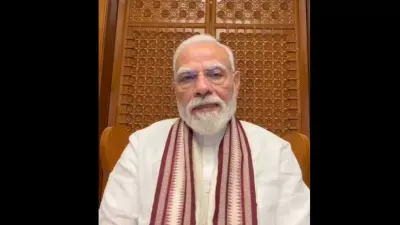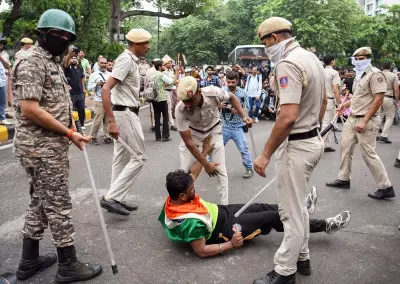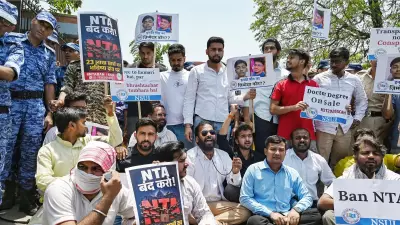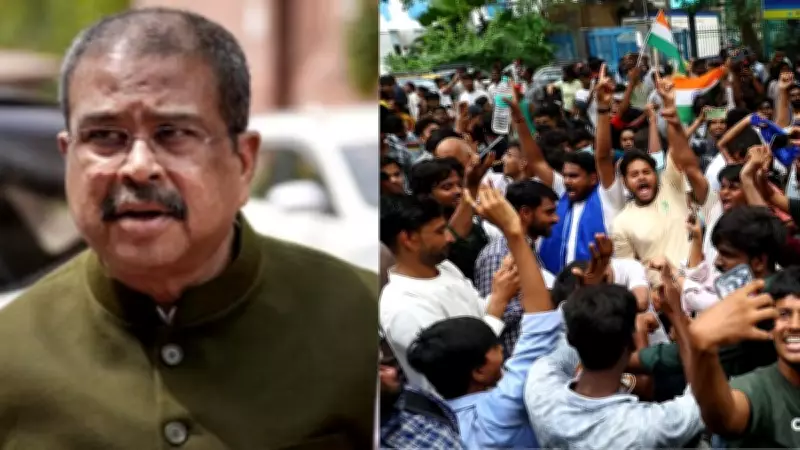
Union Minister Dharmendra Pradhan resigned on 25 July 2026, following the massive NEET paper leak scandal. The Cockroach Janata Party (CJP), a satirical digital movement that originated in the United States, ended its 70-day protest, claiming Pradhan's resignation as a direct result of its campaign.
Resignation and Protest End
Pradhan's resignation came after weeks of pressure from student groups and opposition parties over the compromised medical entrance exam. The CJP, which started as a humorous response to a chief justice of India's court observation, quickly gained online traction. Officially formed just 70 days ago, the party declared that it had achieved its primary goal with Pradhan's exit. "We have delivered on our promise to hold the government accountable," a CJP spokesperson said, according to reports. The group called off its protests, marking a symbolic victory for its satirical approach to activism.
Origins of the Cockroach Janata Party
The CJP began as a digital satire in the United States, mocking the judiciary's remarks. Its name and tactics rely on humor and viral social media campaigns. Despite its unconventional origins, the party claimed the "biggest scalp in the Modi government" by linking the NEET leak to ministerial accountability. The resignation is seen as a landmark moment for the group, which had no physical presence in India until recently.

Context of the NEET Paper Leak
The NEET paper leak involved the unauthorized access and distribution of exam questions, affecting thousands of aspirants. Investigations had implicated several officials, leading to widespread demands for a high-level resignation. Pradhan's departure is the most significant political casualty so far. The CJP's role, while largely symbolic, highlighted the power of organized digital satire in shaping political discourse.