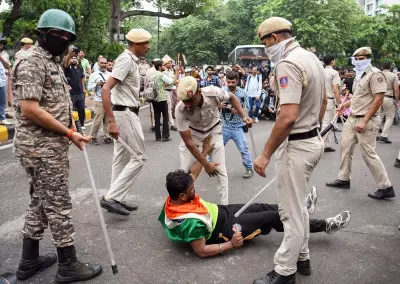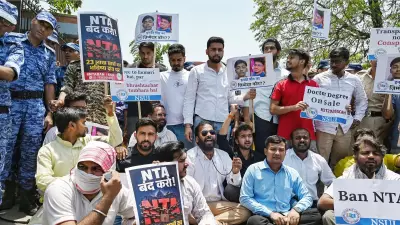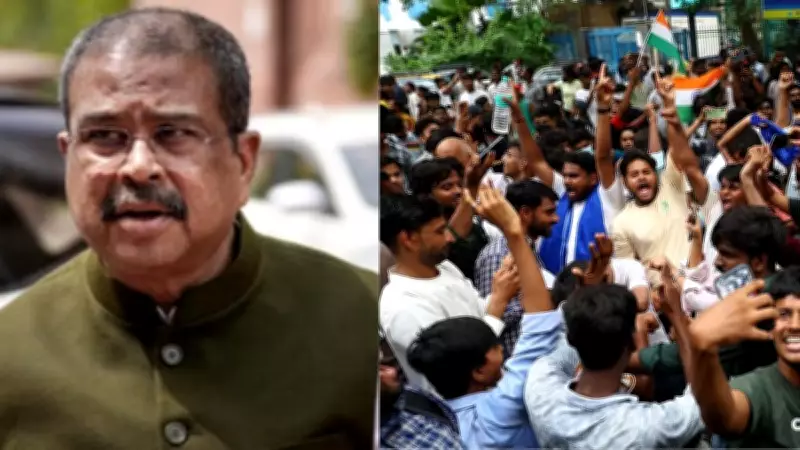
Dharmendra Pradhan's resignation on 25 July 2026 marks a pivotal moment in Indian politics, driven by the unprecedented Gen Z protests at Jantar Mantar. The resignation has forced Prime Minister Narendra Modi to reconsider his political strategy, acknowledging the rising influence of young voters who have demonstrated a distinct irreverence for established power structures.
Background of the Resignation
Pradhan, a senior BJP leader and Union Minister, had been under increasing pressure following weeks of protests at Jantar Mantar. The demonstrations, led primarily by Generation Z activists, focused on issues such as unemployment, education reform, and climate action. The scale and intensity of the protests caught the government off guard, leading to internal discussions within the BJP about the need for a fresh approach. Pradhan's resignation is seen as the first major casualty of this newfound youth activism.
The Gen Z Factor
The Jantar Mantar protests have been described as a watershed moment for youth political engagement in India. Observers note that this generation, born after 1997, is more connected, vocal, and unafraid to challenge authority. The article states that 'the spirit of the Jantar Mantar protest also appears to have inaugurated a generation that revels in irreverence to power.' This sentiment has resonated across social media and traditional platforms, amplifying the call for change. The protests have also highlighted the generational divide in Indian politics, with younger citizens demanding more transparency and accountability.

Political Implications
Pradhan's resignation is only the beginning. Political analysts suggest that the ruling party may now prioritize policies that appeal to younger demographics, such as job creation, digital rights, and environmental sustainability. Similarly, the Opposition is also recalibrating its strategies to harness this energy. The protests have sent a clear message to both sides: the Gen Z electorate cannot be ignored. The timing of the resignation, just months before the next general elections, adds further significance to this development.
Impact on the Government
For Prime Minister Modi, the resignation represents a critical juncture. Known for his tight control over party machinery, Modi now faces pressure to adapt to a changing political landscape. The rethinking of the playbook involves not only policy adjustments but also communication styles and candidate selection. Advisors within the BJP have reportedly urged the PM to engage more directly with youth concerns and to leverage digital platforms to counter the narrative set by the protesters.
Reactions from the Opposition
Opposition parties have seized upon the resignation as evidence of a government out of touch with the aspirations of the youth. Leaders from the Congress and regional parties have called for broader reforms and have attempted to align themselves with the protest movement. However, the Gen Z protesters have remained wary of being co-opted by any political party, insisting on their independence. This has created a complex dynamic where traditional political machinery struggles to connect with a decentralized, digitally native movement.
Global Context
India's Gen Z protests are part of a global wave of youth-led activism, from climate strikes to pro-democracy movements. The ability of this generation to mobilize quickly and sustain momentum has surprised many. In India, the Jantar Mantar protests have drawn comparisons to the anti-corruption movement of 2011, albeit with a more diffuse leadership. The use of social media platforms like Instagram and WhatsApp has been crucial in organizing and spreading the message.
Conclusion
The resignation of Dharmendra Pradhan on 25 July 2026 underscores the power of Gen Z in reshaping Indian politics. As the political class scrambles to respond, one thing is clear: the era of unquestioned authority is giving way to a more participatory and irreverent democracy. The coming months will reveal whether the established parties can adapt or whether new political forces will emerge to channel this energy.