The Indian government on Tuesday informed the Supreme Court that the ethanol blending program remains an ongoing experiment, with conclusive results expected only by next year. The submission came during a hearing on a batch of petitions challenging the Karnataka High Court's ruling on enhanced ethanol allocation from sugarcane juice and B-heavy molasses.
Government's Stand on Ethanol Blending
Additional Solicitor General Aishwarya Bhati, representing the Centre, argued that the policy is still in a trial phase and that the government requires more time to assess its impact on food security and sugar prices. “Ethanol blending is an ongoing experiment. We will have results by next year,” Bhati told the bench headed by Chief Justice of India D.Y. Chandrachud. The government emphasized that the blending program aims to reduce crude oil imports and cut carbon emissions, but it must be balanced with domestic sugar availability.
Supreme Court's Order
The Supreme Court ordered a status quo on the Karnataka High Court's interim order that had directed the central government to allocate ethanol produced from sugarcane juice and B-heavy molasses to oil marketing companies on a priority basis. The high court's ruling, passed in May 2026, had mandated that 100% of the ethanol produced from these feedstocks in Karnataka be supplied to OMCs, overriding the central government's allocation policy. The Supreme Court's status quo order means the high court's directive will not be enforced until the apex court hears the matter further.

Background of the Case
The Karnataka High Court's order came in response to a plea by sugar mills in the state, which argued that the central government's ethanol allocation policy was discriminatory and violated their right to equal treatment. The mills claimed that the policy favored distilleries in other states, leading to losses for Karnataka-based producers. The central government, however, countered that the allocation formula was based on national-level assessments of sugar surplus and ethanol demand.
Impact on Ethanol Blending Targets
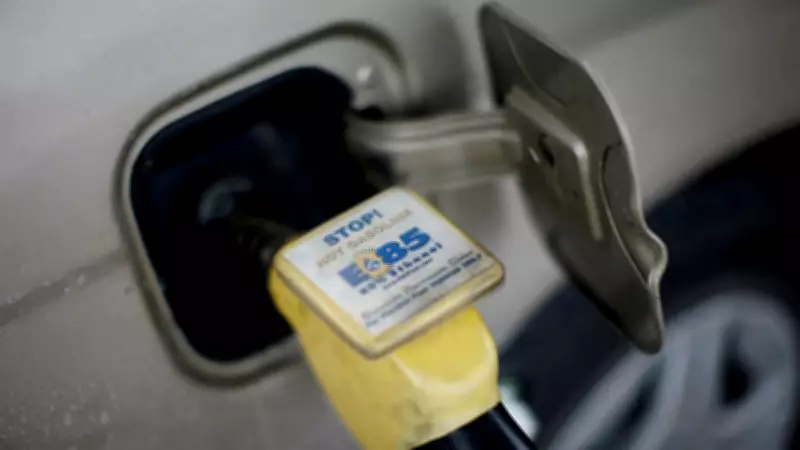
India has set a target of achieving 20% ethanol blending in petrol by 2025-26, up from the current 12%. The government has been promoting ethanol production from sugarcane, rice, and other feedstocks to reduce dependence on fossil fuels. However, concerns over water usage, food security, and sugar prices have led to calls for a more cautious approach. The Supreme Court's decision to maintain the status quo may delay the implementation of enhanced ethanol allocation in Karnataka, potentially affecting the blending targets in the short term.
Next Hearing
The Supreme Court has scheduled the next hearing on the matter for August 2026. Until then, the Karnataka High Court's order will remain suspended, and the central government's existing allocation policy will continue to apply. The outcome of this case could set a precedent for ethanol allocation disputes in other states, as several sugar-producing regions are closely watching the proceedings.