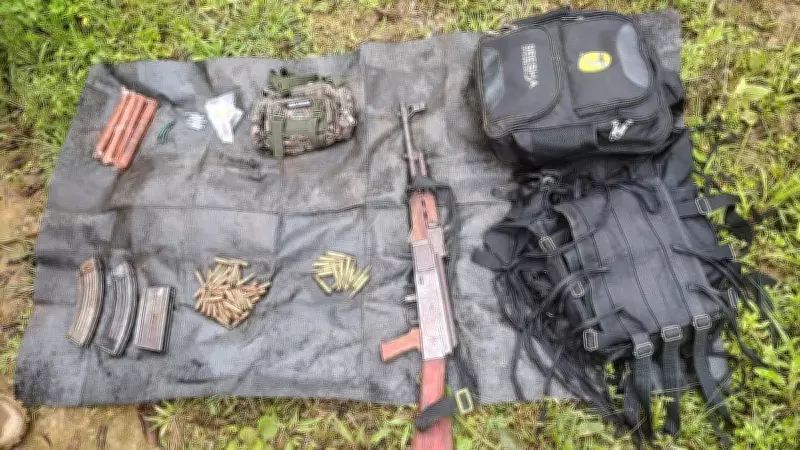
A senior officer in a central force has highlighted the challenges in restoring peace in Manipur, citing the presence of armed groups with multiple factions and a proliferation of community organisations. The officer, speaking on condition of anonymity, noted that security forces, including the Army and Assam Rifles, are frequently confronted by members of local organisations during operations against militants.
Complex Landscape of Armed Groups
The officer explained that the fragmented nature of armed groups in the state complicates counter-insurgency efforts. "There are too many factions, each with its own agenda, making it difficult to negotiate or apply pressure effectively," he said. This fragmentation often leads to splinter groups that continue violent activities even when parent groups agree to ceasefires.
Role of Community Organisations
Community organisations, which often have deep roots in local populations, sometimes act as intermediaries but also pose challenges. "These groups can mobilise public support quickly, and their members frequently confront security forces during operations, creating a volatile environment," the officer added. He emphasised that distinguishing between genuine civil society groups and those with militant links is a major operational hurdle.

The officer's remarks come amid ongoing efforts by the state and central governments to bring stability to the region. Manipur has experienced cycles of insurgency and peace talks for decades, with recent years seeing a rise in new militant groups and community-based militias.
Impact on Security Operations
The frequent confrontations with local organisations have forced security forces to adopt more cautious tactics. "We have to balance operational effectiveness with the need to avoid alienating the local population," the officer said. This often slows down operations and allows militants to regroup. He called for a comprehensive strategy that includes dialogue with all stakeholders, including community leaders and representatives of armed groups, to address the root causes of the conflict.