

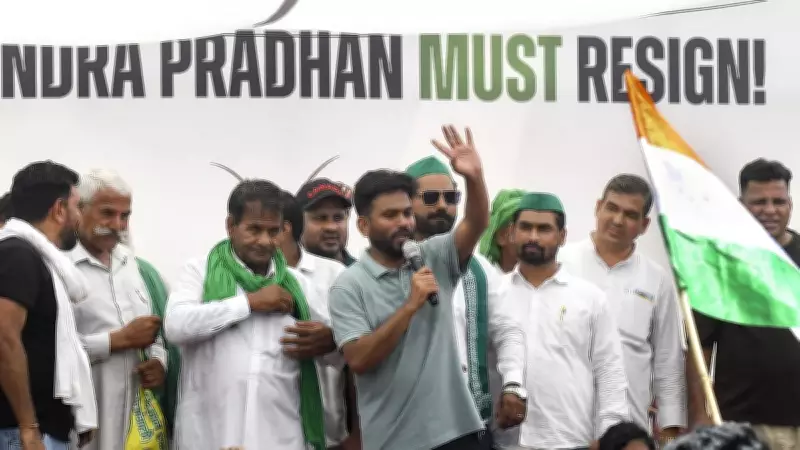
Farmers Voice Strong Opposition to Proposed Indo-US Trade Agreement
Indian farmers have expressed serious concerns over the proposed Indo-US trade deal, warning that increased market access for American agricultural products could severely impact their livelihoods. The deal, currently under negotiation, aims to strengthen bilateral trade ties but has sparked protests among farming communities across the country.
According to farmer unions, the removal of import duties on key commodities such as almonds, apples, and dairy products would expose Indian agriculture to intense competition from heavily subsidized US produce. This, they argue, could lead to a sharp decline in domestic prices and farm incomes.
Key Demands and Potential Impact on Agriculture
Farmers are demanding that the government exclude sensitive agricultural items from any tariff reduction commitments under the trade deal. They emphasize that Indian agriculture is not equipped to compete with US agribusinesses that benefit from large-scale farming and substantial government support.

Data from the Ministry of Agriculture shows that the US is already a major exporter of almonds and apples to India, with imports worth over $500 million annually. Further liberalization could double these imports, threatening the livelihoods of millions of small and marginal farmers who depend on these crops.
"We cannot allow our farmers to be sacrificed at the altar of trade deals. The government must protect our agricultural sector," said a leader of the Bharatiya Kisan Union in a statement. The union has called for nationwide protests if the deal proceeds without safeguards.
Government's Stance and Negotiation Updates
The Indian government has assured farmers that their interests will be protected in the negotiations. Officials have stated that a special safeguard mechanism will be proposed to allow India to impose temporary tariffs if imports surge and harm domestic producers.
However, farmer groups remain skeptical, pointing to past trade agreements that failed to deliver promised protections. They are demanding a transparent consultation process and a written guarantee that no agricultural tariff will be reduced without prior parliamentary approval.
The proposed Indo-US trade deal is part of a broader effort to enhance economic cooperation between the two countries. While both sides aim to finalize the agreement by the end of 2026, the agricultural chapter remains a major sticking point.






