

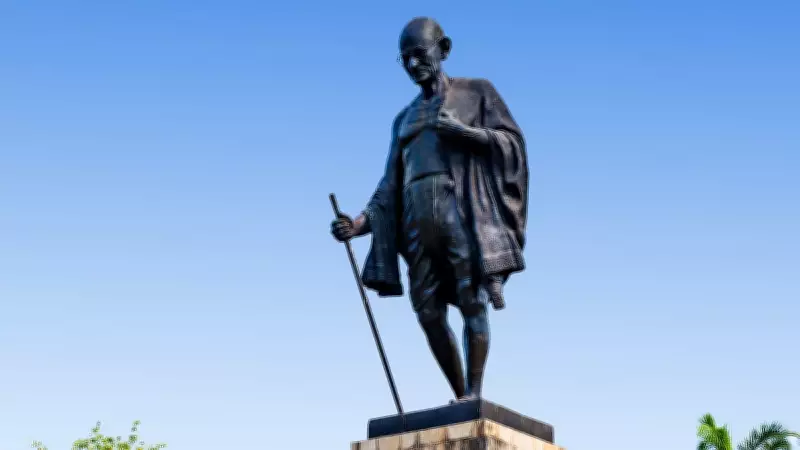
Karnataka Gandhi Trust Condemns Political Misuse of Mahatma Gandhi's Image
The Karnataka Gandhi Smaraka Nidhi, a prominent trust dedicated to preserving the legacy of Mahatma Gandhi, has issued a strong condemnation against the misuse of the Mahatma's image in a recent political advertisement war between the Congress party and the opposition Bharatiya Janata Party (BJP). This controversy erupted as both parties engaged in a public spat through advertisements featuring a cartoon depiction of Gandhi, drawing widespread criticism for trivializing his legacy.
Details of the Advertisement Controversy
According to reports, the conflict began when the Congress and BJP released competing advertisements that included a cartoon of Mahatma Gandhi, sparking a heated exchange between the two political rivals. The Karnataka Gandhi Smaraka Nidhi, in its statement, expressed deep concern over this exploitation, emphasizing that Gandhi's image should be respected and not used for partisan political gains. The trust highlighted that such actions undermine the values of non-violence and truth that Gandhi championed throughout his life.
Reactions and Broader Implications
The condemnation from the trust has amplified public discourse on the ethical use of historical figures in political campaigns. Experts note that this incident reflects a growing trend of political parties leveraging iconic symbols to sway voter sentiment, often at the cost of historical accuracy and respect. The Karnataka Gandhi Smaraka Nidhi's stance serves as a reminder of the need for responsible political communication, urging parties to avoid tactics that could dilute the profound impact of leaders like Mahatma Gandhi.

As the controversy continues to unfold, it raises questions about the boundaries of political advertising in India, with calls for stricter regulations to prevent the misuse of national icons. The trust's intervention underscores the ongoing relevance of Gandhi's principles in contemporary politics, challenging both the Congress and BJP to uphold higher standards in their public engagements.






